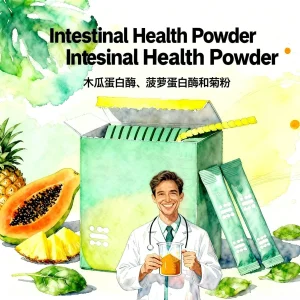
Physiologically targeted enzyme matrices optimized to handle tropical storage conditions and high-fiber agricultural diets.
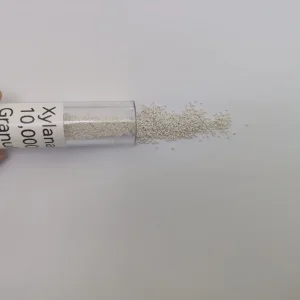

The global industrial enzymes market is undergoing a structural paradigm shift driven by precision agriculture, nutritional economics, and natural growth promotion. As global feed costs fluctuate and consumers demand antibiotic-free production pathways, functional biomolecules—specifically enzymes targeting gut health—have evolved from luxury performance enhancers to mandatory baseload raw materials.
In Brazil, which is historically recognized as the world's leading exporter of poultry meat and a giant in swine production, the commercial urgency to improve feed conversion rates (FCR) is highly critical. The Brazilian animal feed market is primarily reliant on corn-soybean meal formulations. While highly energetic, these diets contain significant amounts of non-starch polysaccharides (NSPs), such as arabinoxylans, phytate, and beta-glucans. These anti-nutritional factors increase intestinal viscosity, reduce endogenous digestive efficiency, and accelerate pathogenic microflora colonization in monogastric animals.
Guangdong Eik Health Co., Ltd., as an advanced biotechnology manufacturer, exports high-potency enzyme complexes specifically engineered to counteract Brazilian crop variability. By utilizing multi-strain solid-state and liquid submerged fermentation systems, we formulate specialized mixtures of Xylanase, Phytase, Beta-Glucanase, and Amylase. These biological matrices break down complex plant cell walls, rendering trapped starch, amino acids, and minerals bioavailable. For Brazilian poultry and swine producers, this equates to significant operational savings, a cleaner intestinal micro-environment, and a substantial reduction in environmental nitrogen and phosphorus excretion.
China's biochemical sector is at the forefront of the global enzyme fermentation industry, combining deep academic research with unmatched industrial scale. Guangdong Eik Health Co., Ltd. represents the absolute synthesis of this technological edge. Operating out of Guangdong’s manufacturing hub, our infrastructure provides advanced, vertically integrated OEM and ODM processes that allow us to customize biological specifications to a degree that European or North American competitors cannot match at our price-performance tier.
The major advantage of China-based production lies in supply-chain aggregation and rapid iteration. While traditional overseas manufacturers require months to develop, assay, and package a customized compound enzyme matrix, our R&D labs deliver tailor-made formulations—adapting exact activity levels of papain, bromelain, fungal lactase, xylanase, and probiotics—with a production cycle starting at just 15 days.
Furthermore, our formulations are optimized specifically for the unique logistics and climate challenge of exporting to Brazil. Cargo traveling across equatorial shipping lanes faces severe thermal variations. Under the intense humidity of Santos or Paranaguá ports, standard enzymes risk structural degradation. Our proprietary micro-encapsulation technology shields the raw enzymes with a heat-resistant, acid-soluble protective coating, ensuring they remain inactive in transit and stable during feed processing, but release fully when they reach the acidic environment of the animal's stomach.
High ambient temperatures in Brazil's central-west region induce systemic inflammatory gut pathways in poultry. Our compound enzymes target cellular tight junctions, maintaining mucosal integrity and optimizing nutrient assimilation even under high-humidity stress profiles.
Modern Brazilian feed mills run high-speed pelleting lines. Our thermostable compound xylanases and amylases survive processing temperatures up to 85°C, ensuring high-potency enzyme activity reaches the feeder tray.
Beyond animal nutrition, the Brazilian consumer health space is demanding clean-label, plant-derived digestive enzymes. We export high-activity Papain, Bromelain, and prebiotic fiber powders customized for regional health brands under premium private label options.
A Professional China-Based OEM/ODM Manufacturing Partner for High-Activity Enzyme and Nutritional Solutions.
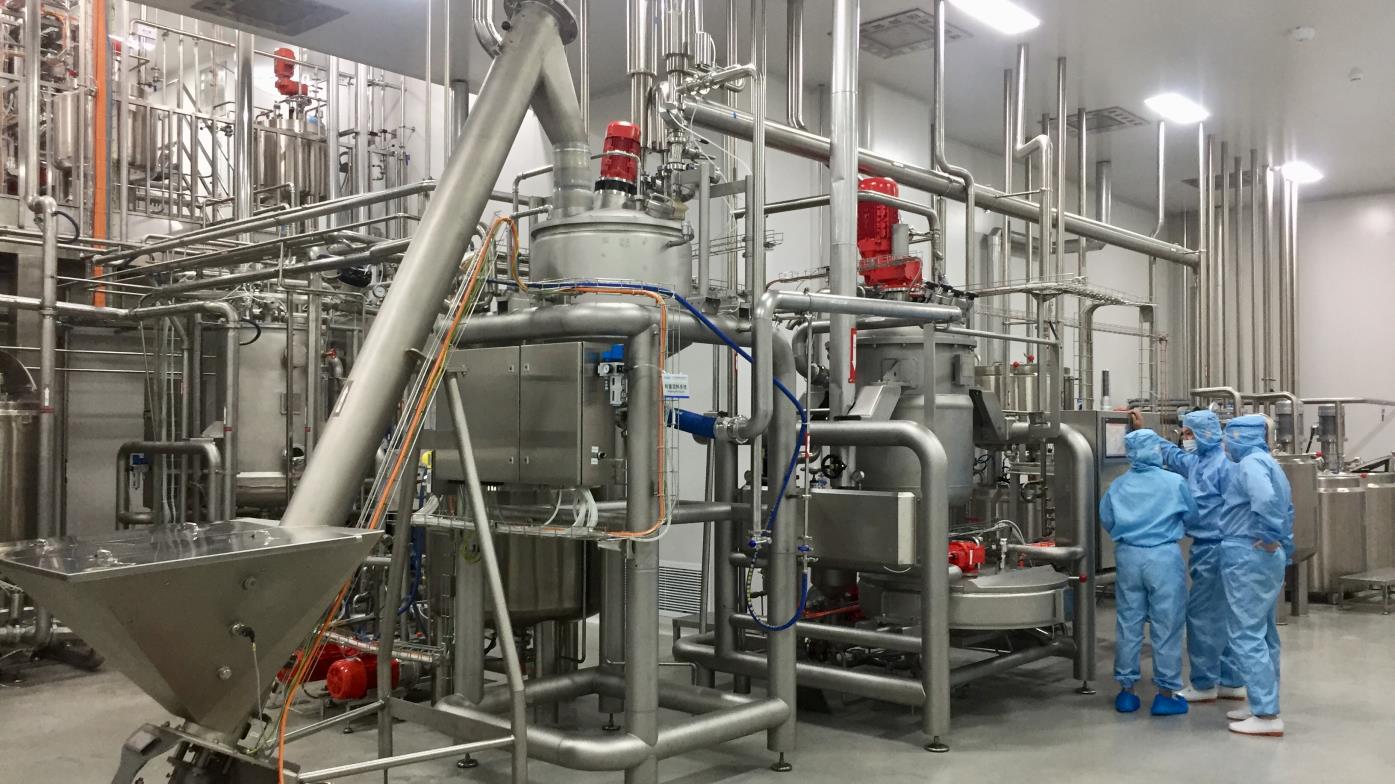
Equipped with modern production facilities, advanced manufacturing equipment, and a strict quality management system, Guangdong Eik Health Co., Ltd. ensures consistent product quality and safety throughout the manufacturing process. We work with a wide range of premium raw materials and have access to more than 1,000 functional ingredients, enabling us to create customized supplement formulas that meet different market demands and consumer preferences.
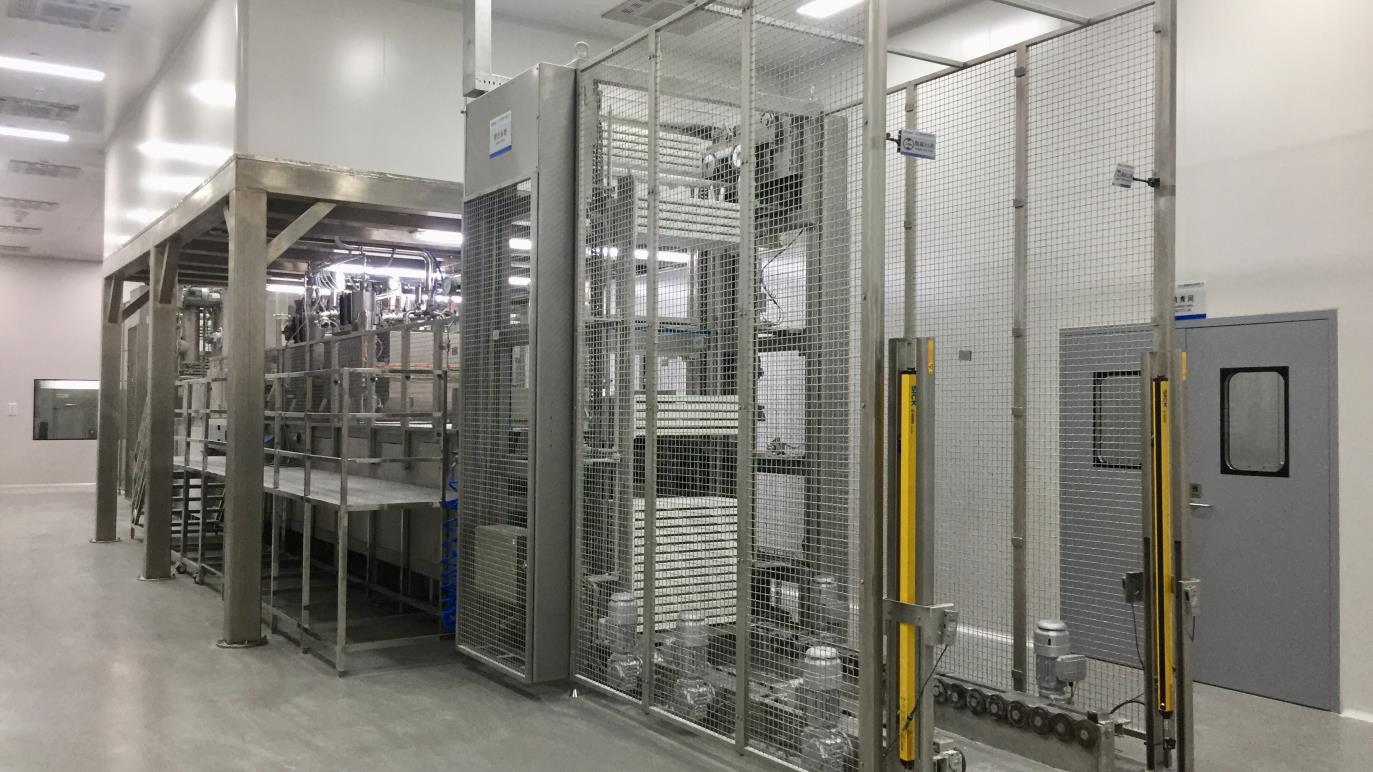
Boiling
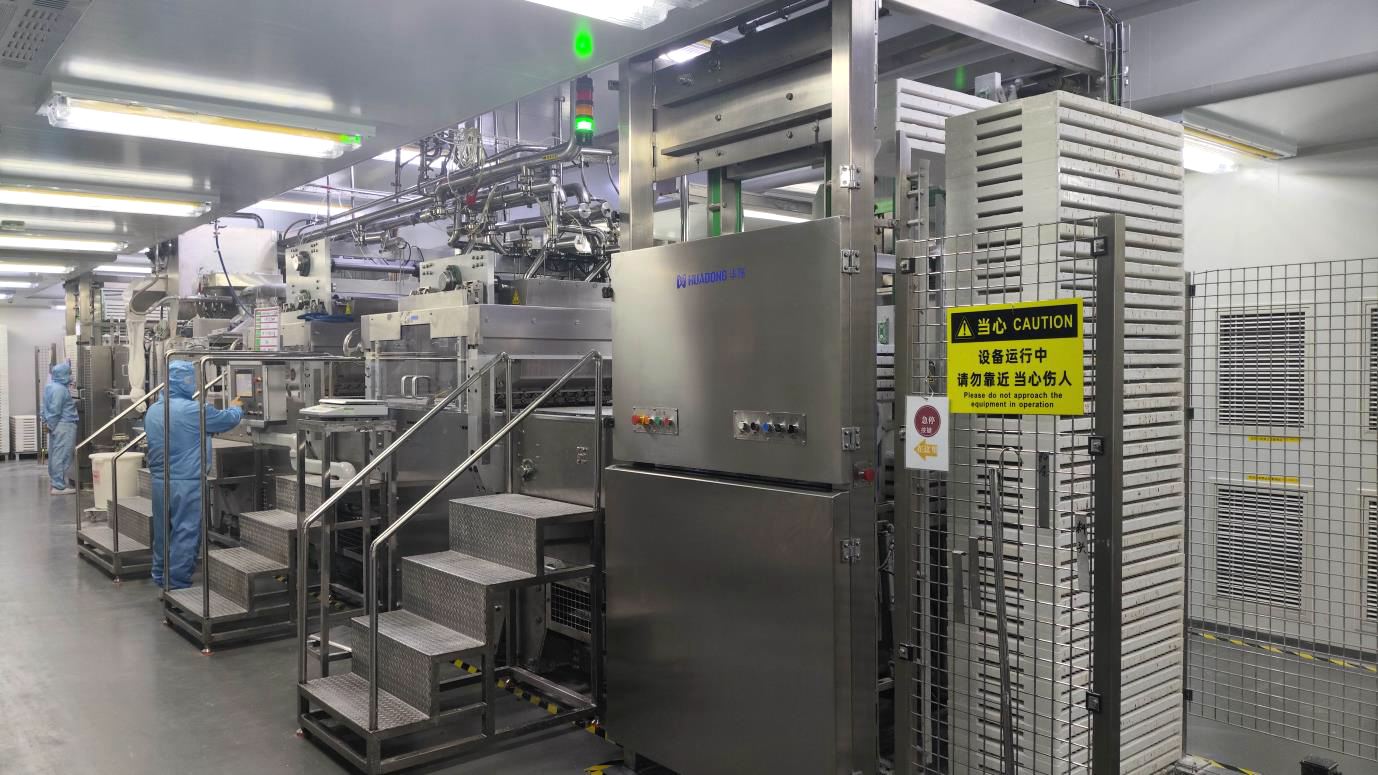
Pouring
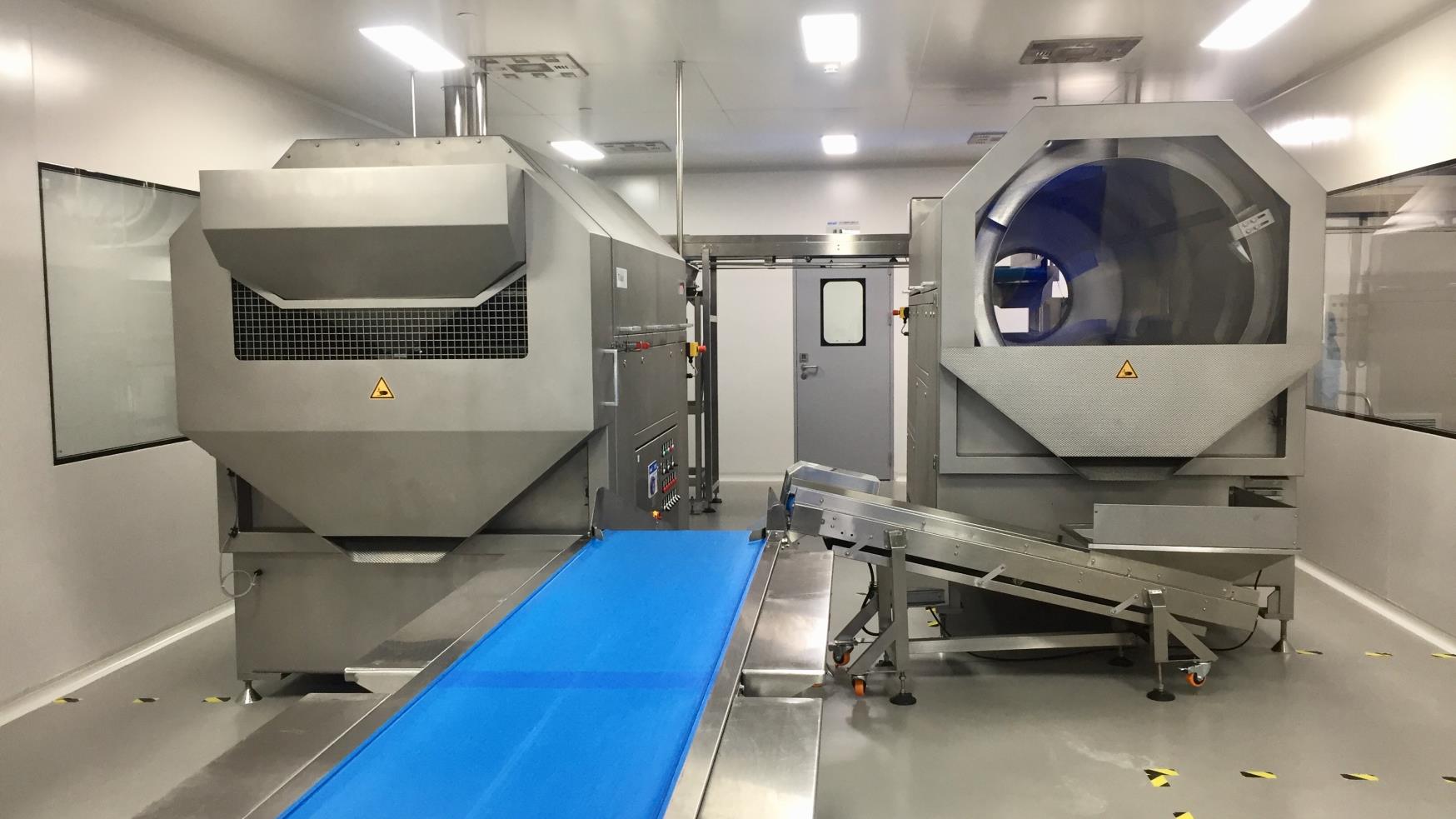
Molding
Polishing & Sanding
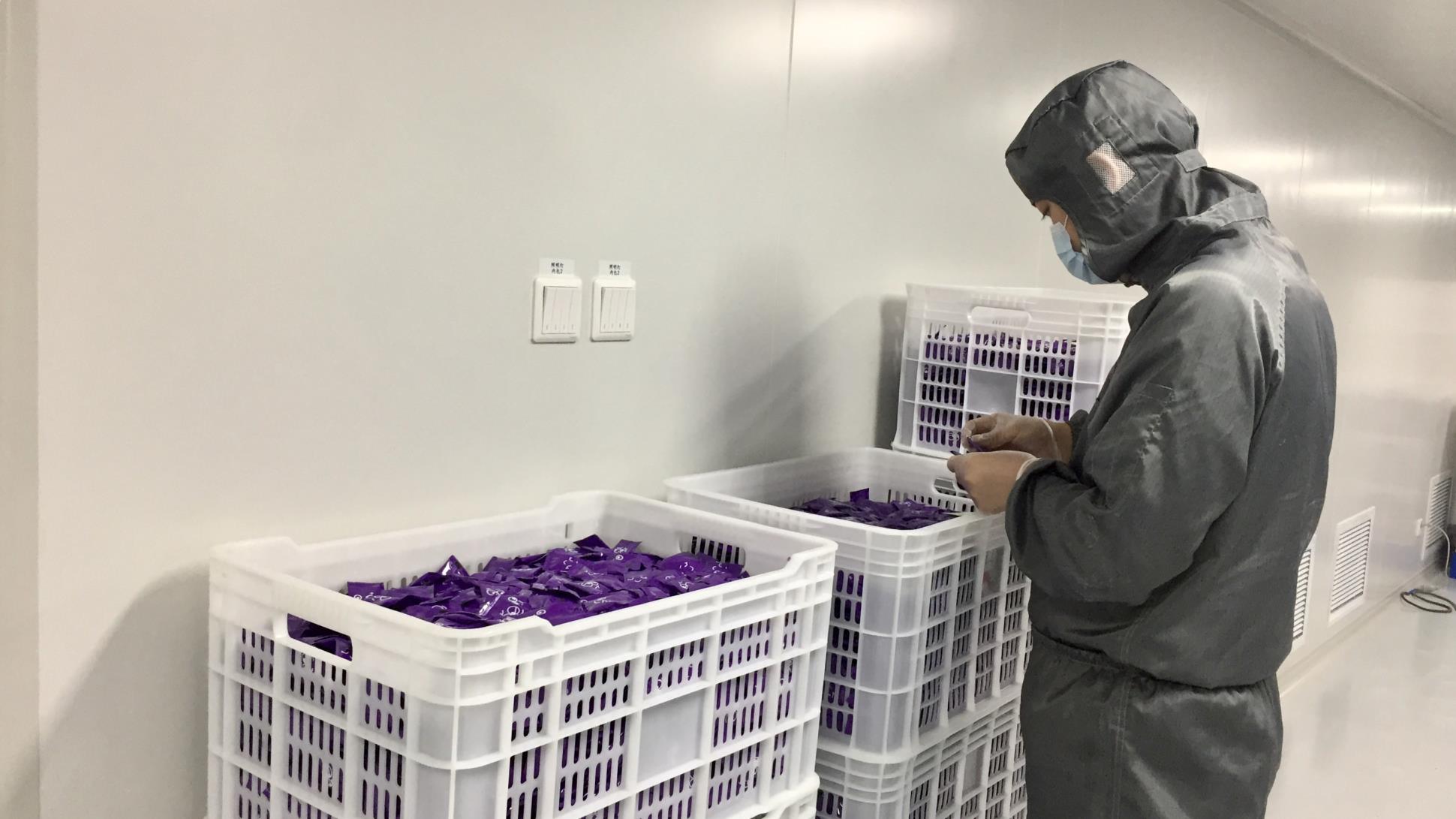
QC Check
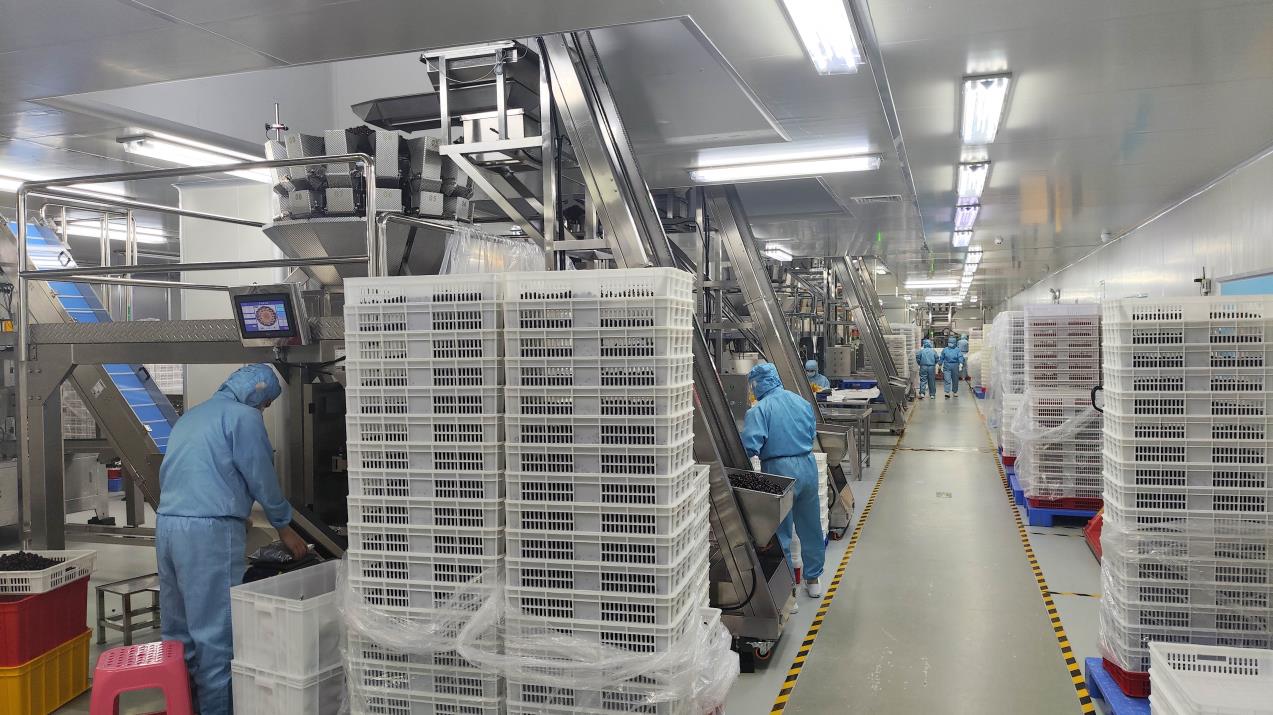
Inner Packing
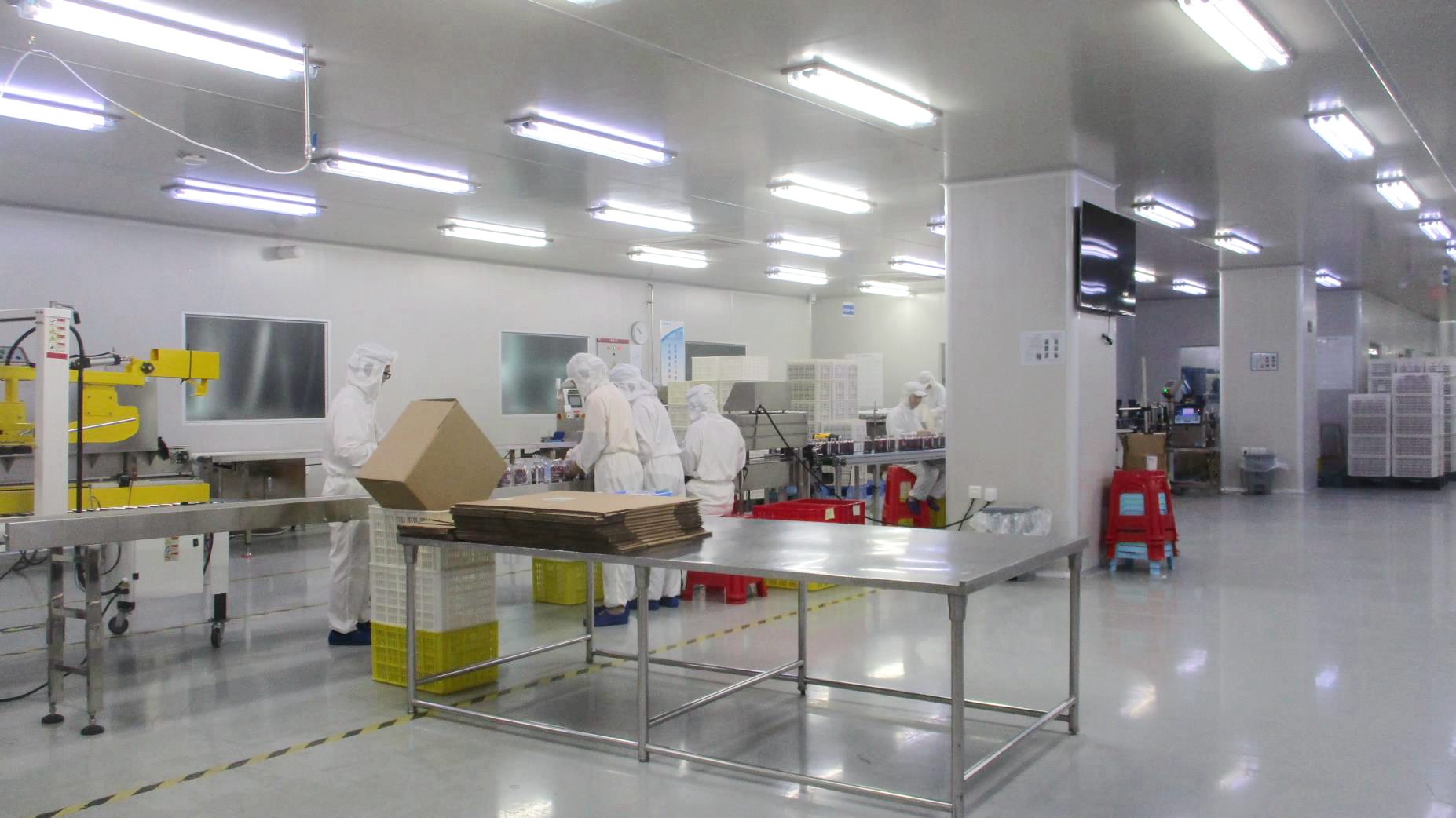
Outer Packing
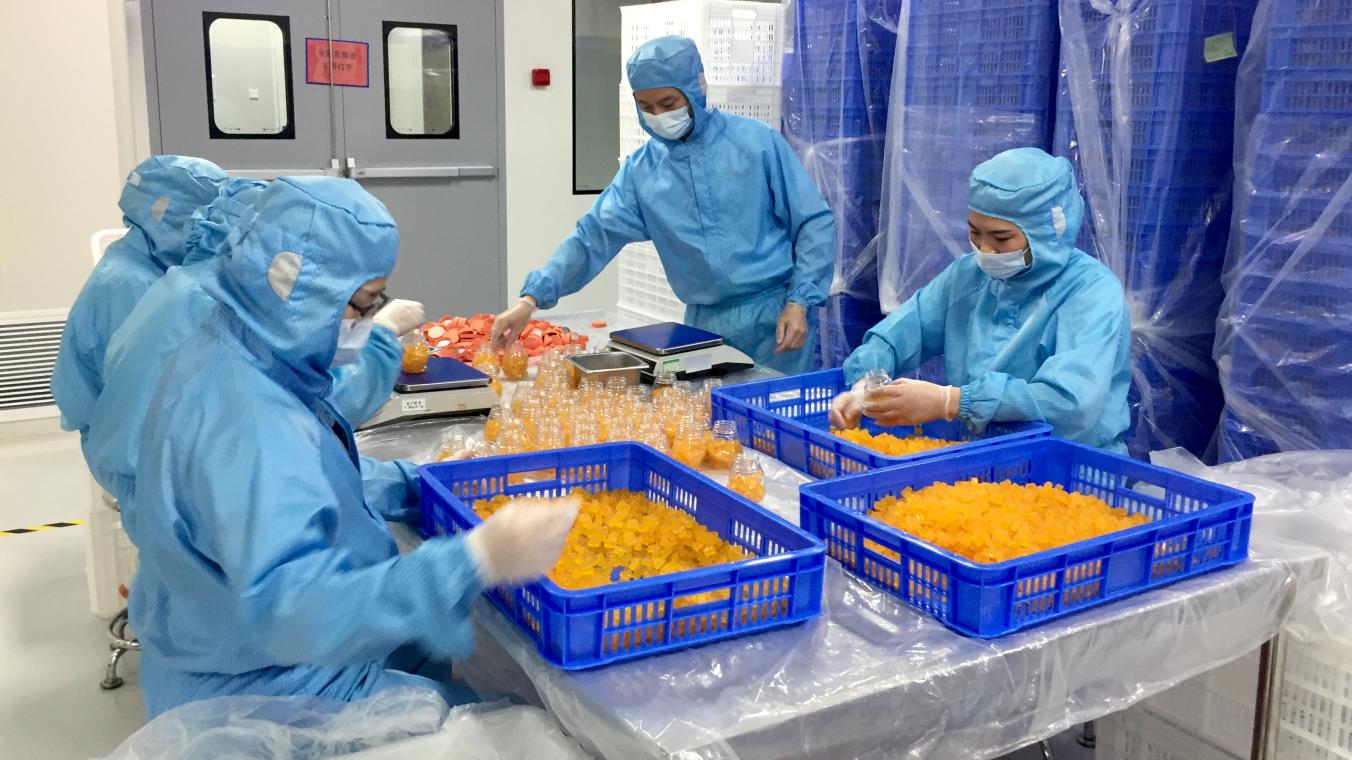
Final Packing
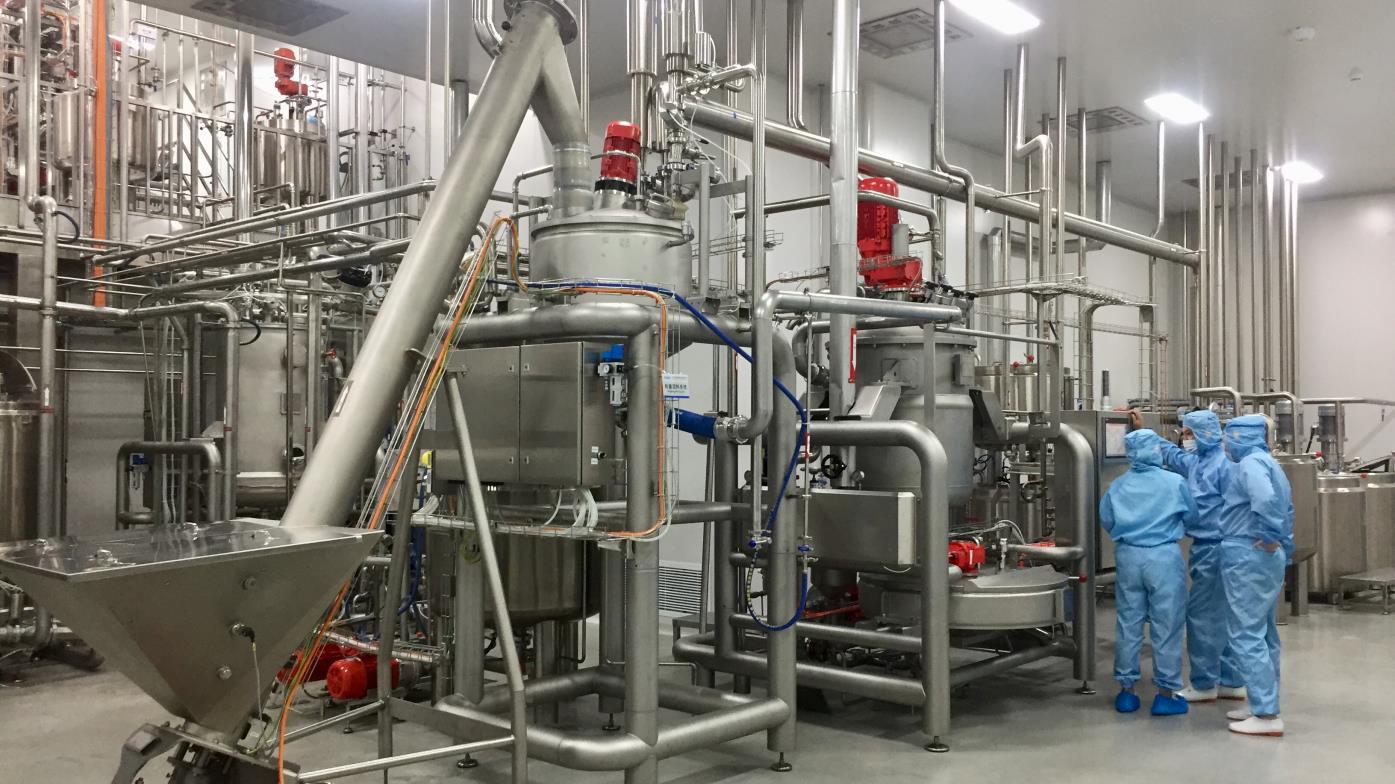
Boiling Line
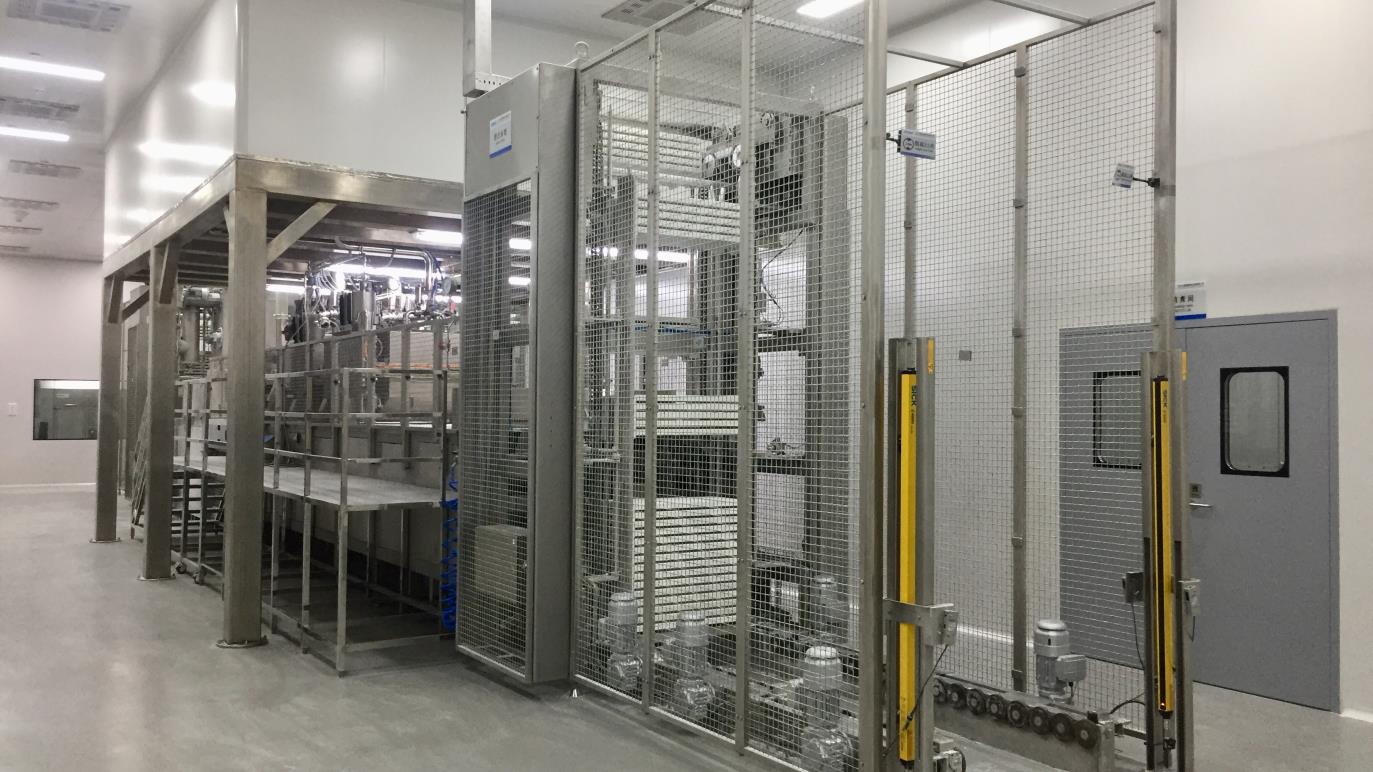
Pouring Line
Explore our core product line designed to improve gastrointestinal functions across species and functional food applications.
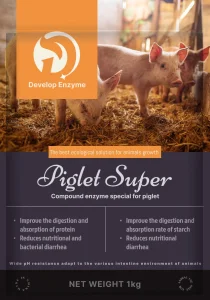
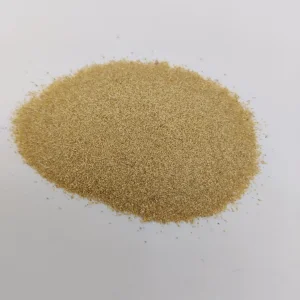
For supply chain directors and formulation nutritional experts working in Brazilian integrations like JBS, BRF, or local feed co-ops, procurement involves managing several risk profiles: biological activity decay, cargo quality consistency, trace heavy metals, and compliance with the Ministry of Agriculture and Livestock (MAPA) regulatory framework.
When importing raw active enzymes from China, documentation and trace standards must be airtight. Guangdong Eik Health Co., Ltd. implements full batch traceability. Every shipment of Xylanase, Phytase, or customized digestive complexes is dispatched with verified Certificate of Analysis (COA) sheets generated via HPLC and spectrophotometric assay protocols. We verify exact enzyme activity values in Units per Gram (U/g), guaranteeing that the product arriving at your facility mirrors the specification sheet tested in our laboratory.
Furthermore, our production sites conform to international food and feed safety paradigms, including ISO 22000, HACCP, and GMP standards. This robust regulatory support reduces importation friction at Brazilian customs, allowing faster entry clearance and continuous, uninterrupted supply chains for large-scale livestock integrations.
The environmental footprint of animal farming is a critical issue for Brazilian exporters exporting to the European Union and North America. Global regulations penalize meat producers with high carbon and waste indexes. By utilizing target enzyme mixtures, integrations can dramatically reduce phosphorus, nitrogen, and undigested feed excretions.
The application of high-activity Phytase breaks down plant-bound phytate, allowing animal nutritionists to lower standard monocalcium phosphate levels in rations. This reduces phosphorus run-off in wastewater and saves feed manufacturers significant formulation costs. Similarly, high-efficacy Proteases ensure optimized protein assimilation, decreasing ammonia fumes in poultry houses, optimizing respiratory health in birds, and reducing overall carbon equivalent footprints per kilogram of meat produced.
Get authoritative answers on enzyme technology, importation, customized OEM settings, and local application in Brazil.
Corn and soy contain significant levels of non-starch polysaccharides (NSPs), such as arabinoxylans and beta-mannan. While these cannot be digested naturally by monogastric animals, they swell in the gastrointestinal tract and create a viscous gel. This gel slows nutrient absorption and limits enzyme access. Adding specialized enzymes like Xylanase breaks down these cell walls, reducing gut viscosity, improving metabolic energy utilization by 50-100 kcal/kg, and reducing the Feed Conversion Ratio (FCR).
Yes. As a professional OEM and ODM manufacturer, we adjust enzymatic concentrations, carrier matrix bases (such as silica, calcium carbonate, or starch), and state formats (granules, micro-granules, or liquid) to comply with Brazil's MAPA (Ministério da Agricultura e Pecuária) registration requirements. We provide complete chemical specifications and compliance support.
Our specialized feed enzymes undergo a modern micro-crystallization coating process. This allows them to withstand conditioning and pelleting temperatures up to 85°C-90°C for up to 30 seconds. The biological structure remains protected during feed mill processing and only releases its activity once exposed to the moisture and pH of the animal's digestive system.
We maintain highly flexible ordering parameters to accommodate both growing brands and large agribusiness cooperatives. Standard raw ingredients can ship rapidly, while custom OEM/ODM formulation blends require 15 to 20 days for manufacturing, analytical assay check, and packaging. Shipping transit to major Brazilian ports (Santos, Paranaguá) ranges from 30 to 40 days.
Wet litter is often caused by undigested nutrients entering the hindgut, triggering bacterial fermentation and osmotic diarrhea. Using targeted NSP-degrading enzymes and proteases ensures that proteins and carbohydrates are digested in the upper tract. This stabilizes the gut flora, reduces liquid excretion, and lowers wet litter instances, preventing complications like footpad dermatitis.
Partner with a professional China-based enzyme manufacturer. Contact our technical sales team for comprehensive OEM/ODM formulation design, price quotations, and regulatory paperwork within 24-48 hours.
 Eik Health