Why Cant I Take Pre Workout on an Empty Stomach?

Time:2026-09-12 Author:Sienna
0%

Why cant i take pre workout on an empty stomach? The answer is not a universal “never.” It depends on the formula, your caffeine tolerance, workout intensity, and digestive history. Many pre-workout products contain caffeine, beta-alanine, citrulline, acids, or sweeteners. Taken without food, these ingredients may feel stronger. You might notice nausea, stomach burning, shaking, dizziness, or a sudden racing heartbeat. That uncomfortable feeling can begin before your first heavy set.

Sports dietitian Nancy Clark, MS, RD, CSSD, offers a useful principle: “You need to experiment to find what works best for you.” Her point matters here. A fasted workout may feel completely normal for one person. Another person may feel weak after ten minutes on a treadmill. Neither response proves that pre-workout is always safe or always harmful. It shows that personal tolerance matters.

This guide examines why cant i take pre workout on an empty stomach, using practical sports-nutrition guidance and basic safety considerations. It will explain how caffeine and other ingredients behave without food. It will also compare a full meal, a small snack, and no calories. A banana, yogurt, or a slice of toast may feel easier than a large breakfast. Still, “natural” does not automatically mean gentle. I have to admit that individual responses are difficult to predict. Product labels can also hide important differences in dosage and stimulant combinations. Anyone with heart symptoms, severe reflux, diabetes, pregnancy, or medication concerns should seek qualified medical advice before using these products.
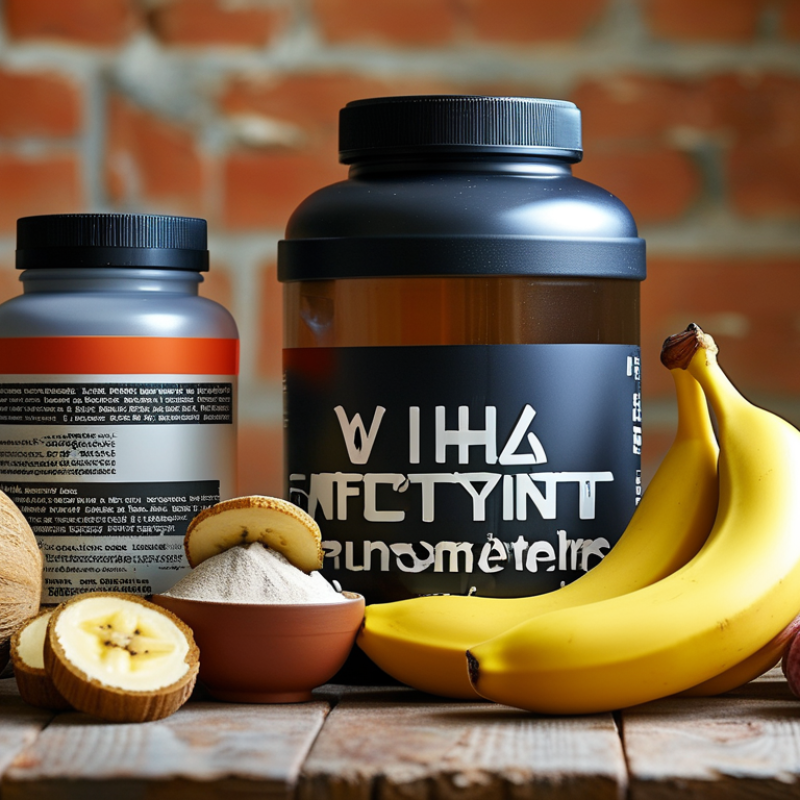
Why Cant I Take Pre Workout on an Empty Stomach?

What Happens When You Take Pre-Workout Without Eating

Why Can’t I Take Pre-Workout on an Empty Stomach?

What Happens When You Take Pre-Workout Without Eating

Taking pre-workout without food can make its effects feel sharper and less predictable. Caffeine may absorb quickly, causing jitters, nausea, sweating, or a pounding heartbeat. Some people also feel light-headed when training fasted. That feeling may come from low energy, dehydration, or caffeine sensitivity. It is not automatically dangerous, but it deserves attention.

The U.S. Food and Drug Administration says up to 400 milligrams of caffeine daily is generally safe for most healthy adults.

Individual tolerance can be much lower.

The International Society of Sports Nutrition reports that caffeine doses of 3–6 milligrams per kilogram may improve exercise performance. More is not always better. On an empty stomach, a high dose can feel especially intense, particularly during hard intervals or heavy leg training.

Evidence on fasted pre-workout use remains limited. I would not treat one study, or one good workout, as proof that the habit suits everyone. A small meal may slow absorption and provide usable carbohydrate. Try a banana, yogurt, or toast 30–90 minutes before training.

Tips: Check the label’s total caffeine amount, including coffee or energy drinks. Start with a smaller serving. Drink water. Stop if you develop chest pain, faintness, severe vomiting, or an irregular heartbeat. People with heart conditions, pregnancy, anxiety disorders, or medication concerns should ask a qualified healthcare professional first. Timing can be adjusted. Your response matters more than the scoop size.

Why Empty-Stomach Use May Cause Side Effects

Why Can’t I Take Pre-Workout on an Empty Stomach?

Why Empty-Stomach Use May Cause Side Effects

I used to think an empty stomach would make pre-workout work faster. That assumption was too simple. Many formulas contain caffeine and other stimulating ingredients. Without food, caffeine may feel stronger and arrive quickly. You might notice shaking hands, a racing heartbeat, restlessness, or sudden anxiety. Some people also develop nausea, stomach cramps, or loose stools during training.

The problem is not always the supplement itself. Exercise already increases stress hormones and redirects blood flow away from digestion. Adding stimulants without a meal can make that response feel harsh. Caffeine may also worsen reflux, especially during running or repeated bending. Tingling from beta-alanine can feel alarming, although it is usually temporary and not dangerous for most healthy adults.

A small meal may provide a steadier experience. Try yogurt, a banana, toast, or oats before exercising. Keep the portion modest if you train soon after eating. I have found that personal tolerance matters more than online promises. Still, I would not ignore chest pain, faintness, severe vomiting, or a persistently irregular heartbeat. Stop exercising and seek medical care. People with heart conditions, reflux, diabetes, anxiety, or medication concerns should ask a qualified healthcare professional first. Check the serving size, caffeine amount, and ingredient list carefully. “Natural” does not automatically mean gentle.

Why Can't I Take Pre-Workout on an Empty Stomach? — Why Empty-Stomach Use May Cause Side Effects
Factor or Ingredient What May Happen on an Empty Stomach Why It May Happen Common Symptoms Potential Risk Level Practical Approach
Caffeine Effects may feel stronger or begin sooner, especially in people who are caffeine-sensitive. Food can slow gastric emptying and may reduce the speed at which caffeine is absorbed. Jitters, restlessness, rapid heartbeat, anxiety, nausea, or difficulty sleeping. Moderate Check the total caffeine amount from all sources, start with a smaller serving, and avoid taking it close to bedtime.
Acidic or concentrated ingredients Stomach irritation or reflux may be more noticeable. A concentrated supplement may contact the stomach lining without the buffering effect of food. Heartburn, stomach discomfort, queasiness, or upper-abdominal pain. Moderate Take the product with a light meal or snack if the label permits, and stop using it if symptoms repeatedly occur.
Sweeteners and sugar alcohols Digestive symptoms may occur even when the product contains little or no sugar. Some sweeteners and sugar alcohols can draw water into the intestine or be poorly tolerated by certain people. Bloating, gas, abdominal cramps, or diarrhea. Low to Moderate Review the ingredient list, reduce the serving size, and avoid ingredients that have caused problems in the past.
High carbohydrate or sugar content A rapid rise and later fall in blood glucose may be experienced by some people. Liquid or easily digested carbohydrates can be absorbed quickly, while exercise changes energy demand. Shakiness, weakness, fatigue, headache, or hunger later in the workout. Low to Moderate Consider a balanced snack containing carbohydrate and, when appropriate, a small amount of protein.
Vasodilatory or “pump” ingredients Light-headedness or flushing may be more noticeable during exercise. Some ingredients may widen blood vessels or affect blood pressure; dehydration and fasting can add to this sensation. Flushing, headache, dizziness, or feeling faint. Moderate Hydrate adequately, avoid combining multiple stimulant products, and stop exercising if dizziness develops.
Creatine An empty stomach is not generally required for creatine, but some people may notice digestive discomfort. Large doses or individual intolerance can contribute to gastrointestinal symptoms; timing is less important than regular use. Bloating, nausea, or loose stools. Low Use only the recommended amount, consider taking it with food, and maintain adequate fluid intake.
Individual fasting response Exercise may feel harder when glycogen availability or overall energy intake is low. Long periods without food can reduce available fuel, particularly during prolonged or high-intensity training. Low energy, weakness, reduced concentration, or unusual fatigue. Moderate Use a small, easily digested snack before training if fasting makes performance or comfort worse.
Dehydration combined with stimulants Heat intolerance, headache, dizziness, or a racing heartbeat may become more likely. Exercise increases fluid loss, while stimulant effects may make symptoms such as palpitations more noticeable. Dry mouth, dark urine, headache, cramps, dizziness, or unusual fatigue. Moderate Begin exercise hydrated and replace fluids according to workout duration, heat, and sweat loss.
People with certain medical conditions Symptoms may be more pronounced or medically significant. Heart rhythm conditions, uncontrolled high blood pressure, anxiety disorders, reflux, diabetes, pregnancy, or medication interactions may alter risk. Palpitations, chest discomfort, severe anxiety, fainting, or abnormal blood-glucose symptoms. High Ask a qualified healthcare professional before using stimulant-containing pre-workout products.
Excessive serving size or stacking products Side effects can increase substantially, regardless of whether food is eaten. Combining pre-workout with coffee, energy drinks, fat burners, or other stimulants can raise total stimulant exposure. Severe jitters, vomiting, chest pain, marked palpitations, agitation, or fainting. High Follow the label, do not exceed the recommended serving, and avoid combining products with overlapping stimulant ingredients.
Safety note: Stop exercising and seek urgent medical care for chest pain, fainting, severe shortness of breath, confusion, or a sustained irregular or very rapid heartbeat. Individual tolerance varies, and an empty stomach is not automatically unsafe for everyone.

How Pre-Workout Ingredients Affect Digestion and Energy

Why Can’t I Take Pre-Workout on an Empty Stomach?

Pre-workout formulas can affect digestion and energy differently when no food is present. Caffeine may absorb faster, causing shaky hands, a racing heartbeat, or sudden nervousness. Some people also experience stomach burning, nausea, or loose stools. An empty stomach does not create energy. It may simply make stimulants feel stronger and less predictable.

Ingredients such as beta-alanine can cause temporary tingling, while acidic powders and sugar alcohols may irritate sensitive digestion. Carbohydrates can provide useful training fuel, but many pre-workouts contain little or none. This creates a common mismatch: strong stimulation without enough energy for lifting, cycling, or intense intervals. Research supports individual testing, yet product tolerance varies widely. The “more energy” feeling may sometimes be caffeine masking fatigue. That distinction deserves attention.

Tips: Try half a serving with water and a small snack, such as a banana or toast. Test it during an easier workout, not before a major event. Avoid combining it with coffee or other caffeinated drinks. Drink enough water, but do not force large amounts quickly. Stop if you notice chest pain, faintness, severe anxiety, or persistent stomach pain. People with heart conditions, reflux, pregnancy, or medication concerns should ask a qualified healthcare professional first. Your response may differ tomorrow. That is worth tracking.

Who Should Avoid Taking Pre-Workout on an Empty Stomach

Why Can’t I Take Pre-Workout on an Empty Stomach?

Some people tolerate pre-workout without food, but others experience nausea, shaking, reflux, or a racing heartbeat. The risk often comes from stimulants, sweeteners, or concentrated ingredients. People with caffeine sensitivity should avoid fasted use, especially if coffee already causes anxiety or palpitations. Those with heart rhythm problems, uncontrolled high blood pressure, or certain medication schedules should seek medical advice first. A stimulant can feel stronger when your stomach is empty.

People with diabetes should not experiment casually. Exercise, fasting, and stimulant ingredients may affect blood sugar in unpredictable ways. Anyone who is pregnant, breastfeeding, under 18, or managing a stomach condition should ask a qualified healthcare professional before using these products. People with a history of disordered eating may also find fasted training unhelpful or distressing. This is not a judgment. Bodies respond differently, and personal experience can be misleading.

Tips: Check the full ingredient label, not only the caffeine amount. Start with a smaller serving on a nonessential training day. Drink water and consider a light snack, such as toast, yogurt, or a banana. Stop if you feel chest discomfort, faintness, severe nausea, or unusual heartbeat. I have also seen experienced gym users misjudge their tolerance after poor sleep. That mistake is easy to repeat. A food-free workout is not automatically better.

Safer Ways to Use Pre-Workout Before Exercise

Why Can’t I Take Pre-Workout on an Empty Stomach?

Taking pre-workout without food is not automatically dangerous, but it can feel harsh. Caffeine may absorb quickly, causing trembling, nausea, reflux, or a racing heartbeat. Individual tolerance matters more than marketing claims. The International Society of Sports Nutrition’s 2021 position stand reports that caffeine can support exercise performance at roughly 3–6 mg per kilogram of body weight. More is not always better. The U.S. Food and Drug Administration states that up to 400 mg of caffeine daily is generally not associated with dangerous effects for most healthy adults, but sensitivity varies widely.

A safer approach is modest and practical. Drink water first, then try a small snack containing carbohydrates, such as a banana, toast, or yogurt. Food may reduce stomach irritation and make the energy rise feel steadier. Start with half the suggested serving, especially if you rarely consume caffeine. Avoid combining several caffeinated products, and check the total amount on every label. Timing also matters. The ISSN report identifies about 60 minutes before exercise as a common caffeine window, though personal response can differ.

Pay attention to symptoms. Stop if you develop chest discomfort, severe dizziness, vomiting, or an unusually fast heartbeat. People who are pregnant, have heart conditions, or use stimulant-sensitive medicines should ask a qualified clinician first. I used to assume an empty stomach created better energy; that was too simple. A lighter dose with a small snack may work better, even if it feels less “powerful.”

FAQS

What can happen when I take pre-workout on an empty stomach?

Effects may feel sharper and less predictable. Caffeine can cause jitters, nausea, sweating, or a pounding heartbeat. You might also feel light-headed during training. Not always dangerous. Pay attention.

Why can caffeine feel stronger without food?

Food may slow caffeine absorption. Without it, a concentrated serving can feel intense quickly. Hard intervals and heavy leg exercises may amplify that sensation. More caffeine is not always better.

Can fasted pre-workout cause nausea or reflux?

Yes. Stimulants, sweeteners, and concentrated ingredients may irritate an empty stomach. Reflux, shaking, or vomiting can occur. A banana, yogurt, or toast may feel gentler beforehand.

How much caffeine is generally considered safe?

Up to 400 milligrams daily is generally considered safe for many healthy adults. Personal tolerance can be much lower. Count coffee, tea, energy drinks, and pre-workout together. Start smaller.

Who should avoid pre-workout without eating?

People with caffeine sensitivity, heart rhythm problems, or uncontrolled blood pressure should seek medical advice first. Pregnant people, breastfeeding people, and anyone under 18 should also ask a qualified professional. People with anxiety or stomach conditions may need extra caution.

Can people with diabetes use pre-workout while fasting?

They should not experiment casually. Fasting, exercise, and stimulant ingredients may affect blood sugar unpredictably. A healthcare professional can help assess timing, food, and medication concerns.

What should I eat before taking pre-workout?

Try a small snack 30–90 minutes before training. A banana, yogurt, or slice of toast provides usable carbohydrate. Keep the portion simple. A large meal may feel uncomfortable.

When should I stop exercising after taking pre-workout?

Stop if you develop chest pain, faintness, severe vomiting, or an irregular heartbeat. Seek urgent medical help for serious or persistent symptoms. Do not push through them. Water may help, but it is not a cure.

Does fasted training make pre-workout more effective?

There is limited evidence supporting that assumption. One strong workout does not prove the habit suits everyone. Poor sleep can also distort your tolerance. I might misjudge my response. That happens.

Conclusion

Taking pre-workout on an empty stomach can affect everyone differently. Without food, stimulants and other active ingredients may enter the bloodstream more quickly, potentially causing jitters, nausea, stomach discomfort, dizziness, rapid heartbeat, or an uncomfortable energy crash. Ingredients that increase alertness, blood flow, or exercise intensity may also be harder to tolerate when the digestive system has nothing to process. This is why many people ask, “why cant i take pre workout on an empty stomach?”

People who are sensitive to caffeine, have digestive issues, blood sugar concerns, heart conditions, or take certain medications should be especially cautious and consider speaking with a healthcare professional. A safer approach may be to consume a small, easily digested snack—such as fruit, yogurt, or toast—along with water before exercising. Starting with a lower amount, avoiding late-day use, and paying attention to symptoms can also help. If discomfort occurs, stop using the product and seek professional guidance before trying it again.

Sienna

Sienna

Sienna is a skilled marketing professional with a deep expertise in our company’s core products and services. With a passion for innovation and detail, she plays a pivotal role in crafting insightful blog posts that not only highlight the unique features of our offerings but also provide valuable......