Vitamin gummies can look fine long after the date on the bottle, but appearance alone cannot confirm they are safe or effective. If you are wondering how to tell if vitamin gummies have expired, start with the printed expiration or “best by” date, then inspect the container and gummies. A date is useful guidance, not a guarantee that every bottle changes at midnight. Storage matters.
Heat, humidity, and repeated opening can affect a gummy’s texture and quality. Look for unusual discoloration, a sour or rancid smell, leaking, damaged seals, or gummies that have melted into a sticky mass. A few gummies stuck together may reflect warm storage, but it is still a reason to check the label and contact the manufacturer if anything seems off. Don’t taste one to test it. That is not a reliable safety check.
This guide explains what date labels mean, which visible changes deserve attention, and how storage can shorten a product’s useful life. It also covers what to do when the date is missing or the bottle’s history is unclear. Be cautious. Supplements can lose potency without obvious changes, and appearance cannot measure nutrient levels. When in doubt, replace the bottle or ask a pharmacist or the manufacturer for product-specific advice. One detail is easy to overlook: gummy formulas differ, so a rule that fits one brand may not fit another. Check the actual label. That small step is worth taking.
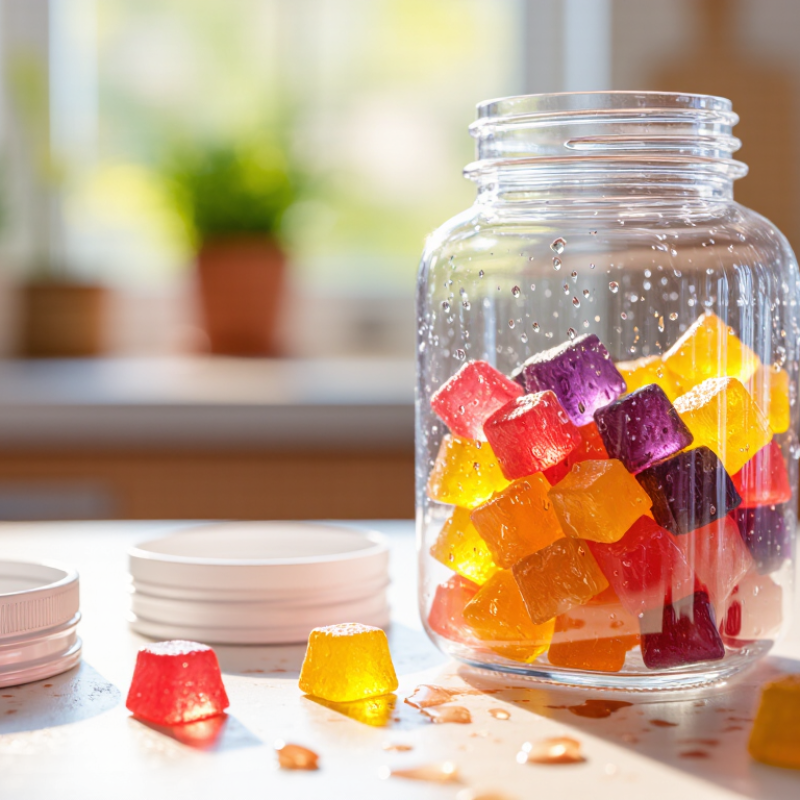
In 2026, start by finding the expiration date on the bottle or its outer packaging. It may be printed near the neck, base, or lot number, sometimes in small, low-contrast text. Check the date carefully. Month-and-year formats can be confusing: “06/27” usually means June 2027, but confirm the label’s wording or date format if it is unclear. If the date has passed, the supplement’s quality and potency may no longer be dependable.
Read the manufacturer’s label, not just the date. Look for storage directions, such as keeping the bottle tightly closed in a cool, dry place. Heat and humidity can affect gummies, especially in a steamy bathroom or a warm car. Follow any instructions about refrigeration or using the product within a set time after opening. A label may also explain what the printed date means. Even careful readers can overlook small print.
Check the seal and the gummies’ condition, too. Notice unusual stickiness, discoloration, or an unexpected odor, but don’t use appearance alone to decide whether an expired product is suitable. If the date is missing, unreadable, or inconsistent with the packaging, contact the manufacturer for guidance. When in doubt, ask a pharmacist.
Check the gummies in bright, natural light. Look for fading, dark spots, unusual streaks, or visible mold. A slight color difference between pieces may reflect normal variation, so compare several gummies rather than judging one alone. Notice the surface, too. Gummies that have become unusually wet, sticky, hard, or cracked may have been exposed to heat or moisture. A sharp, sour, or rancid smell is another reason to stop and inspect the package. Don’t taste one to test it.
These clues can signal deterioration, but they cannot confirm whether a gummy still contains its labeled nutrient amount. The ICH Q1A(R2) stability-testing guidance uses accelerated conditions of 40°C and 75% relative humidity for six months to evaluate how products respond to heat and moisture. That is a laboratory benchmark, not a home test. A normal-looking gummy may still have lost potency. Check the printed date and storage directions, and consider how the bottle was kept. A hot car, damp cabinet, or loose cap can matter. I’d discard gummies with clear changes, even if the date looks fine; appearance alone is an imperfect guide.
Vitamin gummies can change before their printed date if stored poorly. Heat may soften them, fuse them into a sticky mass, or alter their color. Moisture can also encourage clumping and damage the texture. A sour, rancid, or unusual smell is a warning sign. Still, normal appearance and smell cannot confirm that the vitamins retain their full strength.
Tips: Keep the bottle tightly closed in a cool, dry place, following its label. Avoid sunny windowsills, warm cars, steamy bathrooms, and spots beside the stove. Use dry hands, and return the cap promptly. Small habits matter.
Check the expiration date and any storage directions on the package. If gummies were left in heat or humidity, inspect them for changes, but do not taste them to test freshness. Discard gummies that look or smell unusual, or whose seal or container is damaged. When in doubt, ask a pharmacist or the manufacturer’s customer service team. I might be tempted to judge by texture alone; that is not a reliable measure of potency. Even gummies that seem unchanged may not be at their best after improper storage.
An expiration date estimates how long a product should meet its labeled strength when stored as directed. FDA dietary-supplement good manufacturing practice rules require manufacturers to establish product specifications; a date on the label should be supported by appropriate data. ICH Q1A(R2), a widely used stability-testing guideline, describes accelerated testing at 40°C and 75% relative humidity for six months. This is a laboratory stress test, not a household rule or a guarantee that every gummy changes at the same rate. Heat and moisture can speed quality changes, so a bottle left in a hot car deserves more caution than one kept cool and dry.
A date is a clue.
Check for gummies that have melted into a hard mass, changed color, developed an unusual smell, or show moisture or mold. Some texture changes may reflect warmth rather than spoilage, but appearance alone cannot confirm potency or safety. Expired gummies may contain less of certain vitamins than the label states; they do not automatically become poisonous on the printed date. Still, do not taste gummies with visible mold, damaged packaging, or a rancid odor.
Vitamin stability varies by nutrient, formula, packaging, and storage conditions, so a general shelf-life claim cannot settle every case. I would not rely on a gummy that looks normal if it was stored improperly; that judgment is imperfect, but sensible. Keep the container tightly closed, follow its storage instructions, and ask a pharmacist or clinician when the product is medically important.
Check the expiration date on the bottle, then look closely at the gummies. A date that has passed means their quality and potency may no longer be reliable. Heat and moisture can speed deterioration, even before that date. Check for unusual stickiness, hardening, color changes, a sour smell, or a damaged seal. Do not taste-test them. If anything seems off, discard the bottle. It is easy to blame the date alone; storage matters, too. A bottle left in a hot car may not be in good condition, even if its date looks fine.
If the gummies are expired, look or smell different, or were stored poorly, replacing them is the safer choice. Follow local disposal guidance, and keep the bottle away from children and pets. If they look normal but are past the date, ask a pharmacist or healthcare professional before deciding whether to use them. Their strength may have faded, and appearance cannot confirm potency. If you still need the supplement, replace it with an in-date product rather than taking extra gummies to compensate. Not every bottle needs an immediate replacement; consider why you take it and get professional advice if you are unsure.
Inspect several gummies in bright, natural light. Look for fading, dark spots, unusual streaks, or visible mold. One slightly different shade may be normal.
Unusual wetness, stickiness, hardness, cracks, or clumping can be warning signs. A sharp, sour, or rancid smell is another reason to stop. Don’t taste one.
Not necessarily. Appearance and smell cannot confirm nutrient strength. A gummy may look unchanged while losing some potency.
It estimates how long the product should meet its labeled strength when stored as directed. It is a clue, not a guarantee for every gummy.
Not automatically. However, expired gummies may contain less of certain vitamins than the label states. Discard gummies with mold, damaged packaging, or a rancid odor.
Keep the bottle tightly closed in a cool, dry place, following its label. Avoid hot cars, sunny windowsills, steamy bathrooms, and spots beside the stove.
Check for changes in color, texture, and smell. A hot car or damp cabinet raises concern, but a normal appearance cannot prove the gummies are still at their best.
Ask a pharmacist or clinician if the product is medically important or you are uncertain. I might judge by texture alone, but that is not a reliable measure of potency.
Knowing how to tell if vitamin gummies have expired starts with checking the expiration date and any storage instructions on the package. Then inspect the gummies for noticeable changes in color, texture, or smell. Discoloration, unusual softness or hardness, stickiness, or an off odor may indicate that the product has deteriorated, though normal appearance alone cannot guarantee its quality.
Storage conditions can also affect shelf life: heat, moisture, and direct sunlight may cause gummies to degrade sooner than expected. After the expiration date, their potency may be reduced, so they might not provide the expected amount of nutrients. If the date has passed or the gummies show signs of change, it is generally best to discard them and replace them with a fresh, properly stored supply. When the label is unclear or you are unsure about their condition, check with a qualified healthcare professional.

Eik Health