Combining herbal supplements can seem simple, especially when each bottle promises a natural benefit. Yet “natural” does not always mean gentle, predictable, or risk-free. This guide explains how to safely combine different herbal supplements through careful research, professional advice, and realistic expectations. A calming tea, concentrated capsule, and energy formula may contain overlapping ingredients. Small amounts can become significant when taken together.
Begin with a complete supplement list. Record each product name, ingredient, strength, serving size, and time of use. Keep the bottles nearby during a medical appointment. Labels can be confusing. Proprietary blends may hide exact quantities, while similar herbs may appear under different names. A pharmacist or qualified healthcare professional can review possible interactions with prescription medicines, over-the-counter products, and other supplements. Extra caution is important during pregnancy, before surgery, or with liver, kidney, heart, or bleeding conditions.
The safest approach is gradual and evidence-informed. Add only one new product at a time, use the stated serving, and watch for changes such as dizziness, stomach pain, rash, unusual bruising, or a fast heartbeat. Stop and seek medical guidance if concerning symptoms appear. Reliable sources should explain dosage, quality testing, known interactions, and appropriate cautions. Promotional claims are not proof.
There is no perfect checklist. Individual responses differ. Even experienced users can overlook duplicate ingredients. Learning how to safely combine different herbal supplements means accepting uncertainty, checking assumptions, and choosing professional guidance over confident guesses.
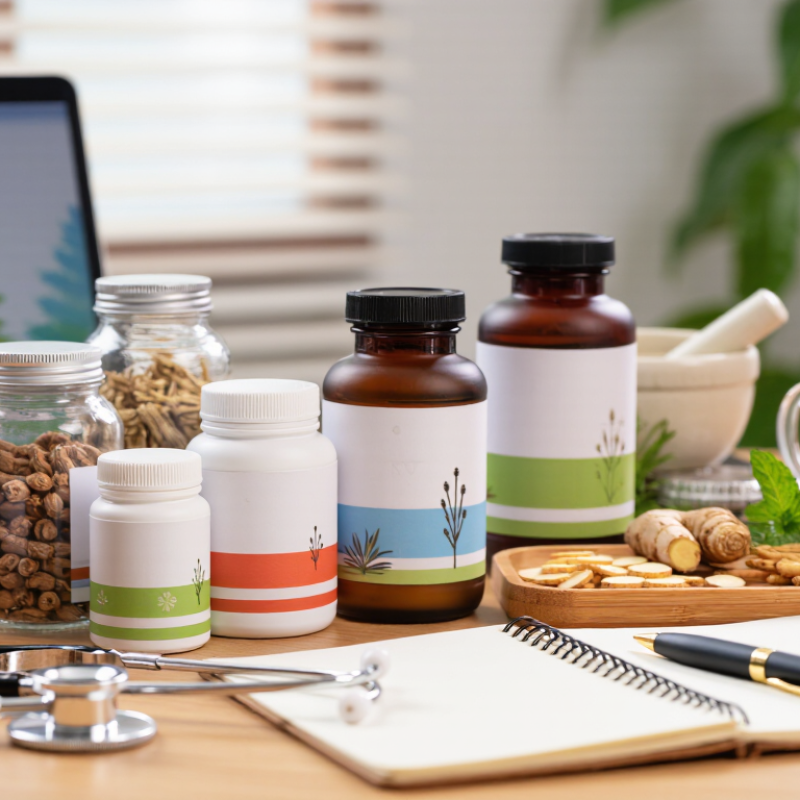
Before combining herbal supplements, define the job of each product. Is it intended for sleep, digestion, immune support, or another purpose? The Council for Responsible Nutrition’s 2023 Consumer Survey reported that 74% of U.S. adults use dietary supplements, while 55% use them regularly. Popular does not mean risk-free. Write down every ingredient, including extracts, powders, minerals, vitamins, and added stimulants. Similar names can hide different plant species or strengths.
Read the Supplement Facts panel carefully. Record the dose, serving size, plant part, and extract ratio. For example, “root extract” is not automatically equivalent to the whole root. Check duplicated ingredients across products. Excessive intake may cause nausea, dizziness, bleeding concerns, or sleep disruption. The U.S. Food and Drug Administration states that supplements are not approved for safety and effectiveness before marketing. Evidence can also be uneven. A 2024 NCCIH review of herbal products emphasizes that preparation, dose, and study quality affect results. Labels are useful, but imperfect.
Tips: Keep a simple ingredient list on your phone. Add one product at a time. Ask a pharmacist to check interactions with medicines, pregnancy, surgery, liver disease, or kidney disease. Stop if a new symptom appears. Do not rely only on “natural” wording. It proves very little. When the label is unclear, choosing less is often the more careful decision.
| Herbal Supplement | Common Purpose | Key Plant Ingredients or Constituents | Important Interaction or Safety Concerns | Combination Guidance |
|---|---|---|---|---|
| St. John’s Wort | Traditionally used for mild depressive symptoms and temporary low mood. | Hypericin, hyperforin, and related compounds from Hypericum perforatum. | Can reduce the effectiveness of many medicines, including oral contraceptives, transplant medicines, anticoagulants, some HIV medicines, and certain antidepressants. Combining it with serotonergic medicines may increase the risk of serotonin toxicity. | Avoid combining without professional supervision. Review every prescription, over-the-counter medicine, and supplement before use. |
| Ginkgo Biloba | Often used for cognitive support and circulation, although evidence varies by condition. | Ginkgolides, bilobalide, and flavone glycosides from Ginkgo biloba leaves. | May increase bleeding risk, particularly with anticoagulants, antiplatelet medicines, or other supplements that affect clotting. May not be suitable for people with seizure disorders. | Use caution when combined with garlic, ginger, turmeric, or high-dose fish oil because bleeding effects may be additive. |
| Garlic | Used to support cardiovascular health and immune function. | Organosulfur compounds, including allicin, which forms when garlic is crushed. | May cause digestive upset and may increase bleeding risk, especially in concentrated preparations or around surgery. May also lower blood pressure or blood glucose. | Monitor carefully when combined with blood thinners, blood-pressure medicines, or diabetes medicines. |
| Turmeric or Curcumin | Used to support joint comfort and manage inflammatory symptoms. | Curcuminoids, including curcumin, from Curcuma longa rhizomes. | May cause gastrointestinal symptoms and may affect bleeding. Concentrated products may be unsuitable for people with gallbladder or bile-duct disorders. | Do not automatically combine with anticoagulants, antiplatelet medicines, or several other anti-inflammatory supplements. |
| Ginger | Commonly used for nausea, digestive discomfort, and motion-related symptoms. | Gingerols, shogaols, and related volatile oils from Zingiber officinale rhizomes. | May cause heartburn or stomach irritation and may modestly affect bleeding or blood glucose at higher supplemental doses. | Use extra caution with anticoagulants, antiplatelet medicines, diabetes medicines, or other supplements that may increase bleeding. |
| Valerian | Used as a calming herb and for occasional sleep support. | Valerenic acids and other constituents from Valeriana officinalis roots. | May cause drowsiness, dizziness, or impaired coordination. Effects may be stronger with alcohol, sleep medicines, sedatives, or opioid medicines. | Avoid combining with other sedating herbs, such as kava or hops, unless advised by a qualified healthcare professional. |
| Ashwagandha | Traditionally used for stress support and general vitality. | Withanolides and other compounds from Withania somnifera roots or root-and-leaf preparations. | May cause drowsiness or digestive upset and may affect thyroid function, blood glucose, and immune activity. Rare liver injury has been reported. | Seek medical advice before combining with thyroid, diabetes, blood-pressure, sedative, or immune-modulating medicines. |
| Green Tea Extract | Used for antioxidant support and, in some products, weight-management purposes. | Catechins, especially epigallocatechin gallate (EGCG); some extracts also contain caffeine. | High-concentration extracts may cause liver injury, particularly when taken fasting. Caffeine may cause insomnia, anxiety, palpitations, or increased blood pressure. | Check the caffeine amount and avoid stacking it with other stimulant products. Take only as directed and consider taking it with food. |
| Echinacea | Commonly used for short-term immune support and cold-related symptoms. | Alkamides, caffeic-acid derivatives, and polysaccharides from Echinacea species. | May cause allergic reactions, especially in people sensitive to plants in the daisy family. Long-term safety and interactions with immune-suppressing medicines require caution. | Avoid combining with immune-suppressing medicines without medical guidance. Stop use if rash, swelling, or breathing difficulty occurs. |
| Milk Thistle | Often marketed for liver support, although evidence depends on the condition and preparation. | Silymarin, a mixture of flavonolignans from Silybum marianum seeds. | May cause gastrointestinal symptoms and may affect how some medicines are processed by the liver. Allergy is possible in people sensitive to related plants. | Do not assume it protects the liver from other supplements or alcohol. Review possible medicine interactions with a healthcare professional. |
Review your medical history, current medicines, pregnancy status, and planned surgeries. Liver, kidney, bleeding, and heart conditions require extra caution.
Herbal products may change blood pressure, blood sugar, heart rhythm, or medicine metabolism. A professional can review teas, powders, and capsules together.
Keep a written list of ingredients, strengths, doses, and start dates. Photograph each label for medical appointments. Keep everything in original containers.
No. Add only one product at a time. Use the lowest labeled dose unless a clinician recommends otherwise.
A cautious gap of one to two weeks may reveal delayed effects. Individual guidance can differ. Slow plans are clearer.
Note sleep, digestion, mood, meals, dizziness, rashes, fatigue, and unusual bleeding. A paper notebook works well.
Stop and seek medical advice after breathing difficulty, facial swelling, fainting, severe vomiting, rapid heartbeat, or unusual bleeding.
If labels allow, take one with breakfast and another with dinner. Keep stimulating products earlier. Some may upset an empty stomach.
Not always. Products can vary in strength and purity, and labels may miss important interactions. I may still underestimate a risk.
Consider removing it with professional guidance. More products are not automatically better. Be willing to revise the plan.
Learning how to safely combine different herbal supplements begins with understanding the purpose, ingredients, and strength of each product. Read labels carefully and look for repeated herbs or overlapping compounds, since combining similar ingredients may increase the risk of excessive intake or unwanted effects. Consider potential interactions with prescription medicines, over-the-counter drugs, and other supplements. Personal factors such as pregnancy, allergies, age, liver or kidney conditions, and upcoming medical procedures should also be taken into account.
A responsible approach is to introduce only one new supplement at a time, use conservative doses, and schedule products thoughtfully to reduce stomach discomfort or possible absorption problems. Keep a record of what you take, when you take it, and how you feel. Stop and seek professional medical advice if you experience unusual symptoms, worsening health, or suspected interactions. Consulting a qualified healthcare professional before combining supplements is especially important for people with medical conditions or ongoing treatments.

 Eik Health