Choosing between whey isolate and regular whey protein can feel confusing, especially when both products promise convenient muscle support. The label may show similar scoop sizes, yet the nutrition panels can differ. One tub may contain 25 grams of protein and almost no lactose. Another may include more carbohydrates, fat, and milk sugars.
So, what is the difference between isolate and whey protein? Whey isolate undergoes additional filtration. This process usually raises its protein percentage and reduces lactose and fat. Whey concentrate receives less processing. It often costs less and still provides all essential amino acids, including leucine, which supports muscle protein synthesis.
The practical choice depends on your body and routine. If a shake causes bloating, isolate may feel gentler. If digestion is comfortable, concentrate can offer strong value. Check the serving size carefully. A large scoop does not always mean better quality. Look for transparent ingredients, independent testing, and sensible protein amounts.
Keep it simple.
I have seen people choose isolate because the packaging looks more advanced. That is not a reliable reason. Total daily protein, resistance training, sleep, and overall diet usually matter more. Individual responses also vary. Some people tolerate concentrate without problems, while others notice discomfort after a small serving. Medical conditions and milk allergies require professional guidance. This guide compares both options carefully, while acknowledging one limitation: supplement research cannot predict every person’s response.
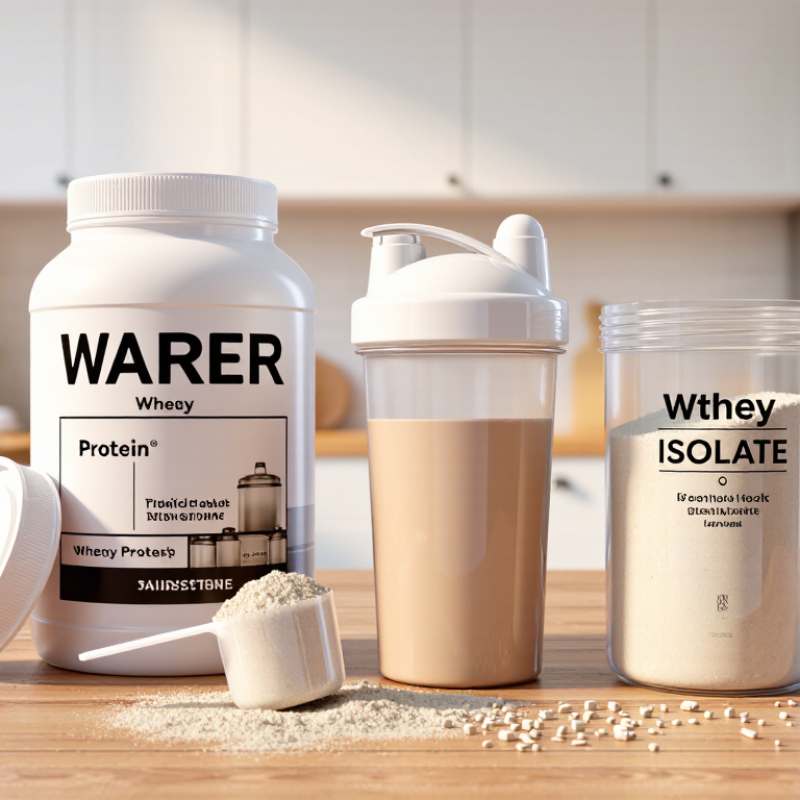
Whey protein isolate and regular whey protein come from the same milk-based source, but processing changes their composition. Isolate is filtered further and usually contains at least 90% protein by dry weight. Regular whey, often called whey concentrate, commonly provides 70–80% protein, with more lactose, fat, and minerals. These figures vary by product and processing method. A technical report from the U.S. Dairy Export Council explains that filtration affects both protein concentration and lactose levels. Isolate may suit people with lactose sensitivity, but it is not automatically lactose-free.
The practical difference also involves cost, digestion, and dietary goals. The International Society of Sports Nutrition recommends about 1.4–2.0 grams of protein per kilogram of body weight daily for active adults. More protein is not always better. A scoop should fill a gap, not replace balanced meals. Check the nutrition panel for protein per serving, added sugar, and total calories. I have found that choosing the “cleanest” option can become excessive. A simpler powder may work perfectly when the diet already contains eggs, fish, dairy, or legumes.
Tips: Compare protein percentage, not just scoop size. If 30 grams of powder provides 24 grams of protein, that is an 80% ratio. Look for lactose content when digestion matters. Mix a small serving with cold water first; texture can reveal more than advertising. If performance does not improve, review sleep, training, and total food intake before changing powders. Sources: ISSN Position Stand, 2017; U.S. Dairy Export Council technical materials; FAO/WHO/UNU Protein and Amino Acid Requirements, 2007.
Choosing between whey isolate and whey protein starts with the label, not the container. Whey isolate usually provides about 90% protein by dry weight, while concentrate commonly ranges from 70% to 80%. These figures reflect industry specifications, not every finished product. Serving sizes can hide meaningful differences.
The International Society of Sports Nutrition describes whey as a rapidly digested, leucine-rich protein. That profile may support muscle protein synthesis after resistance exercise. The FAO’s 2013 protein-quality report lists whey protein concentrate with a DIAAS value above 1.0. This indicates excellent essential amino acid availability. Isolate may contain slightly less lactose and fat because additional filtration removes more non-protein components. Sensitive stomachs may notice the difference.
Digestion remains individual. Some people tolerate concentrate without discomfort. Others report bloating after a small shake. Personal experience matters, but it can mislead. A 25-gram serving may deliver roughly 20 to 23 grams of protein, depending on processing and added ingredients. Check protein, lactose, carbohydrate, and fat per serving. The cleanest-looking label is not automatically the best choice. USDA FoodData Central also shows that nutritional values vary across whey products, so comparing actual labels is more reliable than relying on category names.
Choosing between whey isolate and whey protein often begins with your stomach, not your training plan. Whey isolate is more filtered, so it usually contains less lactose than standard whey protein. However, “low lactose” does not mean lactose-free. Manufacturing methods differ, and labels deserve a careful look.
I have found that a small serving can reveal more than a large promise on the package. Check the nutrition panel for lactose, milk solids, and added ingredients. People with mild lactose intolerance may tolerate isolate better, especially with food. Some still experience bloating, cramps, or loose stools. That happened to me once, and I had ignored the serving size.
Milk allergy is a different concern. Both isolate and other whey products contain milk proteins, including whey proteins. Choosing isolate will not make a milk allergy safe. Anyone with a diagnosed allergy should seek advice from a qualified healthcare professional. A certified dietitian can also help people managing kidney conditions, pregnancy, low-protein restrictions, or medically required diets. Those following a vegan diet need a non-dairy protein instead. Check for shared-equipment warnings, sweeteners, and unclear blends. A short ingredient list helps, but it is not a guarantee. Nutritional needs vary, and convenience can sometimes hide an unsuitable choice.
How to Choose Between Isolate and Whey Protein?
Choosing between whey isolate and regular whey depends on your training target, budget, and daily habits. For muscle gain, total protein matters more than the label. The International Society of Sports Nutrition recommends about 1.4–2.0 grams of protein per kilogram of body weight daily for active adults (ISSN Position Stand, 2017). A practical serving often provides 20–40 grams. Check the nutrition panel, not only the front label.
Isolate usually contains more protein per scoop and less lactose, fat, and carbohydrate. This can suit people with lactose sensitivity or strict calorie targets. It often costs more. Regular whey can be the better value for beginners, recreational lifters, or anyone already eating balanced meals. Budget matters. A 2018 meta-analysis found that muscle-building benefits tend to level off near 1.6 grams per kilogram daily, although individual needs vary (Morton et al., British Journal of Sports Medicine). More powder is not automatically better.
Personal preference still controls consistency. Choose the powder that mixes well, tastes acceptable, and fits your digestion. Taste matters. I would not dismiss regular whey because it has slightly more lactose. Nor would I buy isolate when a cheaper option already meets my protein target. One imperfect detail remains: tolerance can change with serving size, diet, and stress. Track your response for two weeks, then adjust.
| Decision Factor | Whey Protein Concentrate | Whey Protein Isolate | Practical Recommendation |
|---|---|---|---|
| Typical protein content | Usually about 70–80% protein by weight, depending on processing and formulation. | Usually about aislated? | Choose isolate when maximizing protein per serving is a priority. |
| Muscle growth and recovery | Provides all essential amino acids and naturally contains a substantial amount of leucine, supporting muscle protein synthesis when total daily protein is adequate. | Provides a similar essential amino acid profile, with more protein and less non-protein material per serving. | Both can support resistance-training results; prioritize daily protein intake, training, and overall diet. |
| Fat and carbohydrate content | Typically contains more lactose, fat, and carbohydrates than isolate, although amounts vary by product. | Typically contains very little fat and carbohydrate compared with concentrate. | Select isolate when you need tighter control of calories, fat, or carbohydrates. |
| Lactose sensitivity | Contains more lactose and may be less suitable for people who experience symptoms after consuming lactose. | Contains less lactose, but is not necessarily lactose-free. | Try isolate if you have mild lactose sensitivity; check the nutrition label and consider professional advice for persistent symptoms. |
| Weight management | Can fit a calorie-controlled diet, but the additional fat and carbohydrates should be included in the daily calorie budget. | Offers a relatively lean way to add protein, which may be helpful when calories are limited. | Choose based on total calories, serving size, satiety, and your ability to maintain the diet consistently. |
| Budget | Usually the more economical option because it requires less filtration and processing. | Usually costs more per serving or per unit of powder because of additional filtration. | Choose concentrate when cost per serving is the main concern and you tolerate lactose well. |
| Texture and taste | Often has a creamier texture and fuller dairy flavor. | Often has a lighter texture and may taste less creamy, although formulation affects the result. | Choose the type you enjoy enough to use regularly; consistency matters more than minor differences in texture. |
| Processing level | Less filtered, so more of the original milk components remain. | More filtered to remove much of the lactose, fat, and other non-protein components. | Neither option is automatically better; compare ingredient lists, nutrition facts, and your personal tolerance. |
| Best overall fit | Active adults seeking a versatile, effective, and generally lower-cost protein supplement. | People prioritizing a higher protein percentage, lower lactose, or lower fat and carbohydrate content. | For most healthy adults, either can be effective when used to help meet an appropriate daily protein target. |
Note: Nutritional values vary by product and serving size. Whey protein supplements should complement, not replace, a balanced diet. People with milk-protein allergies should avoid both options unless advised otherwise by a qualified healthcare professional.
Choosing between isolate and whey protein depends on your digestion, nutrition goals, and daily diet. Whey isolate usually contains more protein and less lactose, fat, and carbohydrates. It may suit people who feel bloated after regular whey. Whey concentrate often costs less and can provide a creamy texture. However, protein quality matters less if your total diet lacks vegetables, grains, or enough calories.
Use either product safely by following the serving size on the label. A shaker with cold water can reduce heaviness after exercise. Avoid treating protein powder as a complete meal. A balanced meal offers fiber, vitamins, and minerals that powder cannot replace. If you have a milk allergy, lactose intolerance, kidney disease, or take regular medication, ask a qualified health professional before using it. Labels can be imperfect, too. Check the protein amount, added sugar, allergens, and independent testing information.
Tips: Start with half a serving and observe your stomach for several hours. Drink enough water throughout the day. Take protein when it fits your routine, not only immediately after training. Keep the container sealed and dry, especially in a humid kitchen. If symptoms continue, stop using it and reassess your choice. One mistake is assuming isolate always works better; personal tolerance still matters.
Typical macronutrient values per 30 g serving. Actual nutrition varies by product and formulation.
Whey isolate is more highly filtered and typically provides slightly more protein with less lactose, carbohydrate, and fat. It may be preferable for people who are lactose-sensitive or closely tracking calories.
Whey concentrate generally provides a similar amount of protein at a lower processing level. It can be an effective choice when lactose is tolerated and the small differences in carbohydrate and fat are acceptable.
Use protein powder to supplement a balanced diet, follow the serving instructions, and check the nutrition and allergen information on the product label.
Whey isolate is filtered more heavily. It usually contains at least 90% protein by dry weight. It often has less lactose, fat, and carbohydrate.
Regular whey commonly contains 70–80% protein. It usually has more lactose, fat, and minerals. It often costs less.
No. “Low lactose” does not mean lactose-free. Check the label carefully. A small serving may be easier to tolerate.
No. Both products contain milk proteins. A milk allergy requires professional medical guidance. Do not rely on extra filtration.
Many active adults need about 1.4–2.0 grams per kilogram daily. Individual needs vary. More is not always better.
No. Use one serving to fill a protein gap. Keep eggs, fish, dairy, legumes, and other foods in your diet.
Divide protein grams by powder grams. For example, 24 grams from 30 grams equals an 80% ratio. Scoop size can mislead.
Regular whey may offer better value. Isolate can suit stricter calorie targets or lactose sensitivity. I sometimes overvalued “clean” labels.
Mix a small serving with cold water. Notice bloating, cramps, or loose stools. I once ignored serving size. That was a mistake.
Review sleep, training, and total food intake first. Changing powders may not solve the real problem. Progress is rarely one ingredient.
Choosing between whey protein isolate and regular whey protein begins with understanding how they are made and how their nutritional profiles differ. The key question, “what is the difference between isolate and whey protein,” can be answered simply: isolate undergoes more filtering, usually providing a higher percentage of protein with less lactose, fat, and carbohydrates, while regular whey may retain more of these nutrients. Isolate is often easier to digest for people sensitive to lactose, although neither option is suitable for everyone with a milk allergy.
Your best choice depends on your fitness goals, dietary needs, budget, and personal preferences. Isolate may appeal to those seeking a leaner protein source or faster digestion, while regular whey can offer good nutritional value at a lower cost. Whichever type you select, use it as part of a balanced diet, follow serving guidance, consider your total daily protein intake, and pay attention to allergies or digestive discomfort. Consistent training, adequate hydration, and overall nutrition remain more important than choosing one form alone.

Eik Health