A supplement bottle can look reassuring: a clean white label, a precise serving size, and a list of familiar vitamins. But those details do not tell the whole story. For shoppers comparing products from China’s supplement manufacturers, learning how to read nutrition labels on supplement bottles helps reveal what each serving contains, how much it provides, and which ingredients deserve a closer look.
Dr. Pieter Cohen, an associate professor at Harvard Medical School who researches dietary supplements, has emphasized that labels alone cannot establish a product’s safety or effectiveness. Treat that as a useful caution, not a reason to distrust every manufacturer. Check the serving size before comparing amounts. A label showing 500 milligrams may refer to two capsules, not one. Look for active ingredients, added sugars, allergens, and other ingredients listed near the bottom. Small print matters.
Then consider what the label cannot confirm. It does not, by itself, show how ingredients were sourced or whether every batch was independently tested. Ask manufacturers for clear quality documentation, such as certificates of analysis tied to specific batches, and verify who performed the testing. Be cautious with vague claims and oversized promises. Some labels still feel like a puzzle. That deserves reflection, especially when a product’s marketing sounds more certain than the evidence. A careful reading is not a substitute for medical advice, but it can help you ask better questions before choosing a supplement.
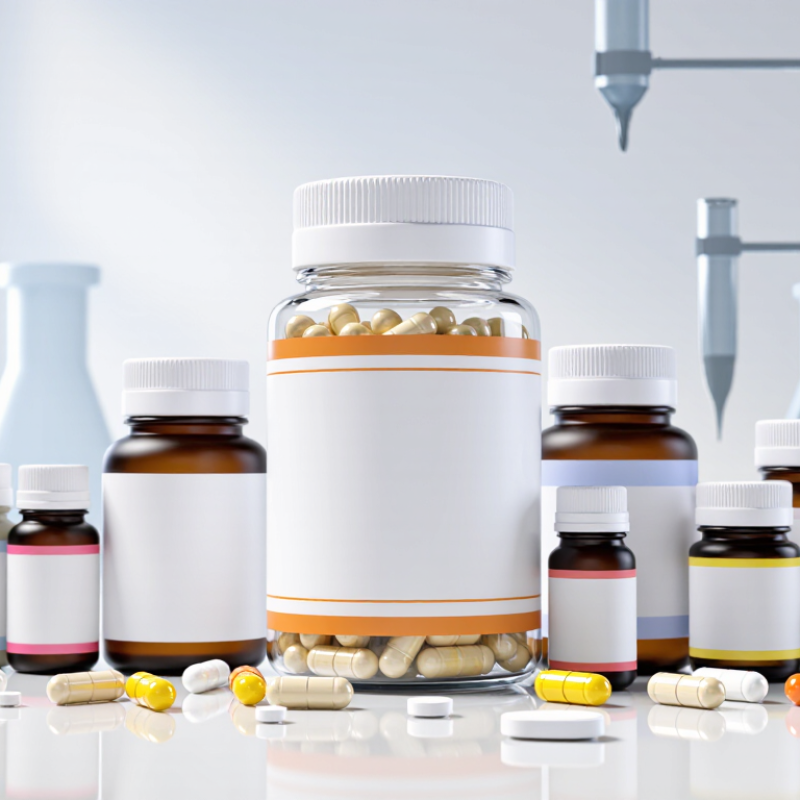
China’s Supplement Manufacturing Landscape and Product Categories
China’s supplement manufacturing landscape spans large contract plants and specialist facilities. Common product categories include vitamins and minerals, probiotics, botanical extracts, protein powders, and omega-3 products. They may be supplied as tablets, capsules, powders, or liquids. Each format requires different equipment, stability checks, and packaging controls. A factory’s broad catalogue alone proves little; verify its experience with the exact ingredient and format.
Demand data can offer context, but should not be mistaken for a China-specific production measure. The Council for Responsible Nutrition’s 2024 Consumer Survey reported that 75% of U.S. adults use dietary supplements. This signals established demand in one major market, not proof of demand in China. For manufacturers, category choice affects sourcing, blending, filling, and testing needs. Small details matter. Batch records and clear ingredient specifications help buyers assess whether a supplier can repeat a product consistently.
Tips: Ask for a sample batch record, ingredient specifications, and stability data for the intended format. Check how the manufacturer controls allergens and verifies raw materials. A polished presentation is useful, but documentation deserves closer attention.
China Supplement Labels: Reference Values for Selected Minerals
China’s nutrition-label NRVs provide a reference for understanding the %NRV shown on a label.
Values shown are the NRVs for selected minerals in China’s GB 28050-2011 standard. To calculate %NRV, divide the nutrient amount per labeled serving by its NRV and multiply by 100. NRVs are label-reference values, not recommended supplement doses; check the unit and serving size when comparing products.
Identify the Serving Size and Nutrient Amounts on a Supplement Label
A supplement label can look simple, but serving size changes how every number should be read. CRN’s 2024 Consumer Survey reported that 75% of U.S. adults use dietary supplements, making label literacy a practical daily skill. Start with serving size and servings per container. If one serving equals two capsules, the listed nutrient amounts generally describe both capsules, not one. That detail is easy to miss. Check the serving first. On a busy morning, a quick glance can turn a two-capsule amount into a mistaken per-capsule estimate.
The FDA’s Supplement Facts format lists serving size, nutrient amount per serving, and % Daily Value (%DV). Compare units carefully: 500 mcg is not 500 mg. %DV shows how a serving relates to a daily reference value; it is not a personalized recommendation. Some nutrients have no established %DV, so a missing percentage does not mean the ingredient is absent. NIH Office of Dietary Supplements fact sheets can clarify recommended intakes and upper limits, though labels can still be confusing. When comparing manufacturers, favor panels where the amount per serving is easy to verify. I’d pause over unfamiliar units and check the exact amount, rather than judging a product by a large front-panel number. Small print matters.
China Best Supplement Manufacturers: How to Read Nutrition Labels? — Identify the Serving Size and Nutrient Amounts on a Supplement Label
The examples below are illustrative, brand-free label entries. Check the serving size first: nutrient amounts and % Daily Values (%DV) are listed per serving, not necessarily per capsule or tablet.
| Supplement type |
Serving size |
Servings per container |
Nutrient amount per serving |
%DV |
How to read it |
| Vitamin C tablet |
1 tablet |
100 |
Vitamin C: 90 mg |
100% |
One tablet provides 90 mg, equal to the adult Daily Value for vitamin C. |
| Vitamin D softgel |
1 softgel |
120 |
Vitamin D: 25 mcg (1,000 IU) |
125% |
The amount is per softgel; 1 mcg of vitamin D equals 40 IU. |
| Calcium tablet |
2 tablets |
60 |
Calcium: 500 mg |
38% |
The listed 500 mg is for two tablets; one tablet provides half that amount. |
| Magnesium capsule |
2 capsules |
45 |
Magnesium: 200 mg |
48% |
The serving contains two capsules, so taking one provides half the listed amount. |
| Zinc tablet |
1 tablet |
100 |
Zinc: 11 mg |
100% |
Compare the amount per serving with the %DV to see how it relates to the daily reference value. |
| Fish oil softgel |
2 softgels |
60 |
Total omega-3 fatty acids: 600 mg |
Not established |
The amount is for two softgels. A %DV is not established for total omega-3 fatty acids. |
%DV values shown use the U.S. Daily Values for adults and children age 4 and older. Percentages are rounded; individual needs may differ. Follow the product directions and consult a qualified health professional if you have questions.
Read Ingredient Lists, Dosages, and Daily Value Percentages
China Best Supplement Manufacturers: How to Read Nutrition Labels?
Ingredient lists, dosages, and % Daily Value are easiest to assess together. Start with serving size: a label may list amounts for two capsules, not one. Then check each active ingredient’s amount per serving and compare it with the amount you intend to use. For botanicals, note the plant part and extract details when provided. Small print matters. The NIH Office of Dietary Supplements explains that Supplement Facts panels show serving size and amounts of listed nutrients and ingredients. FDA guidance says 5% Daily Value or less is low, while 20% or more is high. These percentages help compare nutrient levels; they do not show whether a product is right for you.
Tips: Use a pen to mark the serving size, ingredient amount, and %DV on the label. Check whether the suggested daily serving doubles the listed amounts. Numbers can mislead.
A high %DV is not automatically better, and some ingredients may not have an established Daily Value. Compare labels using the same serving basis, and look for clear amounts rather than relying on broad claims. FDA’s Daily Value guidance and NIH’s dietary supplement labeling resources are useful references. One detail is easy to overlook: the “other ingredients” line can include capsule materials or flavorings. Read that line too, especially if you have sensitivities. Labels are useful, but they do not answer every question.
Assess Health Claims, Warnings, and Allergen Information
A supplement label is a safety tool, not a promise of results.
The Council for Responsible Nutrition’s 2023 Consumer Survey found that 74% of U.S. adults use supplements. That makes clear, accurate label reading important. Check whether a health claim describes general support or suggests treatment for a disease. Be cautious with dramatic promises. In the United States, the FDA does not approve supplements for safety and effectiveness before they reach the market. NIH’s Office of Dietary Supplements advises consumers to review evidence and discuss supplements with a health professional, especially when taking medicines.
Read warnings and directions as carefully as the ingredient list. Look for serving size, daily limits, age guidance, and cautions for pregnancy or medication use. Small print matters. Allergen declarations also deserve attention: check the ingredients and any “contains” statement for allergens relevant to you. Labeling rules differ by market, so buyers comparing manufacturers should confirm that allergen details match the intended sales region. A clean-looking front label can still hide important details on the back. I sometimes find that part easy to overlook. Take a moment to check.
Evaluate Manufacturer Details and Quality Certifications Before Buying
Before buying a supplement, inspect the manufacturer behind the nutrition label, not only the numbers in the serving panel.
Look for a physical business address, a reachable quality contact, and clear details about where the product is made. A polished website is not proof. Ask whether the company can identify its production site and explain how ingredients are received, tested, and stored. Compare the label’s ingredient amounts and serving size with a batch-specific certificate of analysis. This document should identify the tested lot and show relevant identity, purity, or contaminant results. If it offers only vague assurances, pause.
Review quality certificates carefully.
Confirm the issuing organization, facility covered, validity dates, and scope. A quality-system certificate may describe manufacturing controls, but it does not automatically verify every finished product or label claim. Check whether independent testing is performed and whether results can be linked to the lot printed on the container. Details matter. Keep a photo of the label and lot code; these small details help when asking questions later. I would not treat a certificate logo as a shortcut. Not foolproof. If answers are slow or unclear, choose a manufacturer that provides specific, consistent documentation.
Conclusion
China’s supplement manufacturing landscape includes a wide range of product categories, making it important to understand what a label tells you before choosing a product. Knowing how to read nutrition labels on supplement bottles starts with checking the serving size, since the listed nutrient amounts usually apply to one serving rather than the entire container. Compare the amount of each nutrient with your needs, and review the ingredient list, dosage, and Daily Value percentages to understand what the product contains.
Also assess health claims carefully and read all warnings and allergen information, especially if you have dietary restrictions or sensitivities. Before buying, check the manufacturer’s details and look for relevant quality certifications that indicate consistent production and testing practices. Considering these label elements together can help you make a more informed choice and better compare supplements across different product categories.

 Eik Health