Dehydration can begin quietly: a dry mouth, darker urine, headache, or unusual fatigue. Water replaces fluid, but it does not always replace lost sodium and other electrolytes. That distinction explains why do electrolyte powders help with dehydration, especially after heavy sweating, vomiting, diarrhea, or prolonged exercise. Sodium helps retain absorbed fluid, while glucose supports sodium transport through the intestinal lining. The World Health Organization’s oral rehydration guidance supports this principle, although commercial powders are not identical to medical rehydration solutions.
The 2026 electrolyte powder landscape deserves careful evaluation. The International Society of Sports Nutrition and the American College of Sports Medicine emphasize fluid balance, sodium replacement, and individualized intake during extended exercise. Meanwhile, market analyses from Grand View Research and Fortune Business Insights report continued growth in electrolyte products, driven by sports participation, wellness purchasing, and convenient single-serve formats. Market growth is not proof of clinical superiority. That point matters.
A useful comparison should examine sodium content, carbohydrate levels, third-party testing, ingredient transparency, flavor tolerance, and serving instructions. Some powders contain very little sodium but plenty of sweetener. Others may suit endurance athletes yet feel excessive during ordinary desk work. The Centers for Disease Control and Prevention continues to emphasize appropriate fluid replacement and medical attention for serious dehydration symptoms. Personal experience also complicates the picture: a powder that feels effective after a hot run may be unnecessary on a cool afternoon. This guide evaluates leading options with evidence, practicality, and healthy skepticism. Performance claims can sound confident. The labels deserve closer attention.
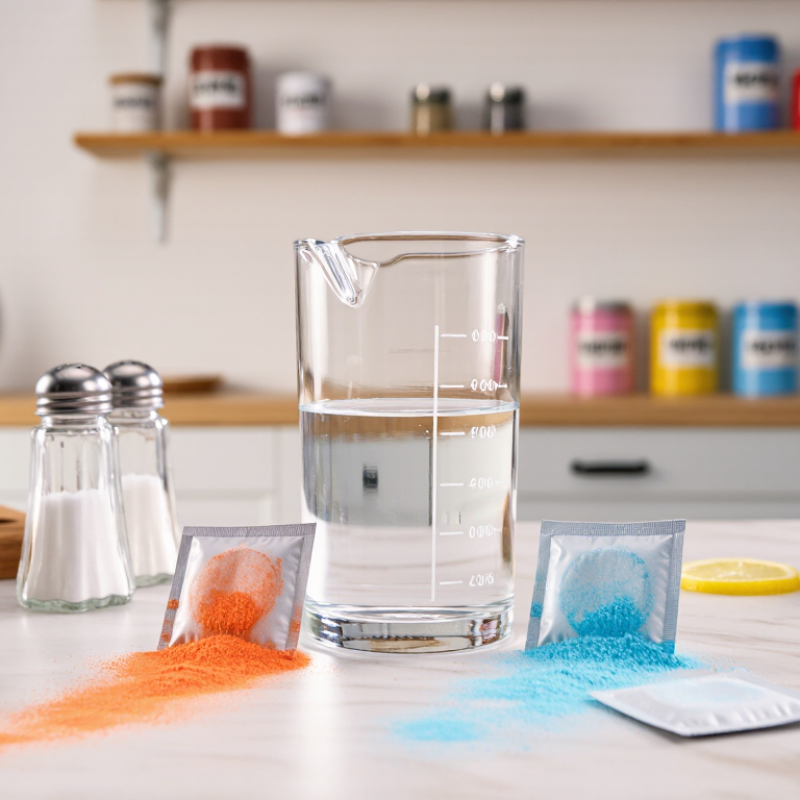
2026 Top Electrolyte Powders: Why They Help Dehydration?
Electrolyte powders are drink mixes containing minerals such as sodium, potassium, and magnesium. After sweating, the body loses water and electrolytes together. Replacing both can support fluid absorption and normal muscle and nerve function. Water alone may be enough for a short, easy workout. Longer exercise, hot weather, or heavy sweating can create different needs.
The formula matters. Sodium usually plays the main role because it helps the body retain and distribute fluid. Some powders also contain carbohydrates, which may support absorption during prolonged activity. However, more minerals do not always mean better hydration. Excessive intake can cause stomach discomfort, especially when a person drinks several servings without needing them. Powders also vary widely, so reading the nutrition panel is essential. They are not magic. That is worth remembering.
Tips: Mix the powder with the recommended amount of water, not less. Drink slowly when possible. Use electrolytes after substantial sweating, not automatically with every glass. If dehydration includes confusion, fainting, persistent vomiting, or very little urine, seek medical care promptly. People with kidney, heart, or blood-pressure conditions should ask a healthcare professional before regular use. A practical mistake is judging hydration by thirst alone; urine color, energy, and recent activity provide useful clues too.
Electrolyte powders dissolve in water and provide minerals that help replace fluids and electrolytes lost through sweating, vomiting, or diarrhea. The chart shows the electrolyte composition of the WHO low-osmolarity oral rehydration solution formula, a scientific benchmark for hydration support.
Sodium helps maintain fluid balance and supports nerve and muscle function. Potassium supports cellular and muscle function, while chloride and citrate help maintain electrolyte and acid-base balance. Actual electrolyte powders vary in composition, so labels should be checked for sodium and potassium amounts.
Electrolyte powders can support fluid replacement when sweating, vomiting, diarrhea, or prolonged heat exposure increases water loss. Their key ingredients are minerals dissolved in water. Sodium is the main extracellular electrolyte. It helps maintain blood volume and encourages the intestines to absorb water. This matters after heavy sweating, when plain water may not replace lost sodium effectively.
Potassium supports nerve signals, muscle contraction, and normal heart rhythm. Chloride works with sodium to help maintain fluid balance and stomach acid production. Magnesium contributes to muscle and nerve function, although it is usually lost in smaller amounts through sweat. Calcium also supports muscle movement and cellular communication. Some formulas contain glucose, which can improve sodium and water absorption in the small intestine. More sugar is not automatically better.
Real-world use requires judgment. A cyclist may need electrolytes after hours in hot weather, while a lightly active person may only need water and regular meals. Powder strength varies, so reading the mineral amounts matters. Too much sodium can be unsuitable for people with certain heart, kidney, or blood-pressure conditions. The evidence is useful, but not every powder has been studied equally. That gap deserves attention. Health professionals can help when dehydration is severe, persistent, or linked with confusion, fainting, or very little urination.
Electrolyte powders can help restore fluids during dehydration by replacing water and key minerals lost through sweat, vomiting, diarrhea, or prolonged heat exposure. Sodium is especially important because it helps the body retain fluid and supports normal nerve and muscle function. When mixed with water, a suitable powder can make drinking easier and more effective than water alone in certain situations.
The details matter. A balanced oral rehydration formula usually contains sodium and glucose in measured amounts. Together, they support fluid absorption in the small intestine. Very sugary drinks may draw extra water into the gut and worsen discomfort for some people. Not every electrolyte powder is designed for dehydration. Some contain little sodium, while others contain unnecessary stimulants or excessive minerals.
Read the label carefully.
During a hot outdoor activity, small, frequent sips may work better than drinking a large amount quickly. A practical approach is to mix the powder exactly as directed, not more concentrated. That mistake is easy to make. People with kidney disease, heart conditions, or sodium restrictions should seek medical advice before using these products regularly. Persistent vomiting, confusion, fainting, very little urination, or severe weakness requires prompt medical care. Electrolyte powders can support recovery, but they cannot replace diagnosis or treatment when dehydration has a serious cause.
| Electrolyte Powder Profile | Typical Sodium per Serving | Typical Potassium per Serving | How It Supports Rehydration | Most Suitable Use | Important Considerations |
|---|---|---|---|---|---|
| Low-Electrolyte Hydration Powder | 50–200 mg Approximately 2–9 mmol |
20–100 mg Approximately 0.5–2.6 mmol |
Adds modest amounts of sodium and potassium while encouraging fluid intake through improved taste. | Everyday fluid support, mild sweating, travel, or warm indoor environments. | May be insufficient after heavy sweating, prolonged exercise, vomiting, or diarrhea. |
| Balanced Exercise Electrolyte Powder | 200–500 mg Approximately 9–22 mmol |
50–200 mg Approximately 1.3–5.1 mmol |
Replaces some sweat sodium and helps maintain extracellular fluid balance during activity. | Exercise lasting about 60–120 minutes, especially in warm or humid conditions. | Needs vary with sweat rate, body size, climate, and the sodium concentration of sweat. |
| High-Sodium Endurance Powder | 500–1,000 mg Approximately 22–43 mmol |
50–300 mg Approximately 1.3–7.7 mmol |
Provides more sodium to help replace substantial sweat losses and support fluid retention. | Long-duration endurance exercise, heavy sweaters, and hot-weather training. | Not automatically better for everyone; excessive sodium intake can be inappropriate for some individuals. |
| Oral Rehydration Solution–Style Powder | About 1,725 mg when prepared to 75 mmol/L in 1 liter | About 780 mg when prepared to 20 mmol/L in 1 liter | Uses sodium–glucose cotransport in the intestine to improve absorption of water and sodium. | Clinically significant fluid loss from diarrhea, vomiting, or heat-related dehydration. | Must be mixed with the stated water volume; overly concentrated mixtures can worsen gastrointestinal symptoms. |
| Sugar-Free Electrolyte Powder | Usually 100–500 mg Approximately 4–22 mmol |
Usually 20–200 mg Approximately 0.5–5.1 mmol |
Can make water more appealing without adding sugar or substantial calories. | Routine hydration or people limiting added sugars. | Without glucose, it is not equivalent to an oral rehydration solution for diarrhea-related dehydration. |
| Carbohydrate-Electrolyte Powder | 200–500 mg Approximately 9–22 mmol |
50–200 mg Approximately 1.3–5.1 mmol |
Combines fluid and electrolytes with carbohydrate for energy during prolonged activity. | Endurance exercise or extended physical work when carbohydrate is also needed. | High carbohydrate concentration may delay gastric emptying or cause stomach discomfort in some people. |
| Magnesium-Focused Electrolyte Powder | Usually 50–300 mg Approximately 2–13 mmol |
Usually 20–200 mg Approximately 0.5–5.1 mmol |
Supplies magnesium for normal nerve and muscle function, but sodium remains the primary electrolyte lost in sweat. | People seeking supplemental magnesium alongside normal hydration. | Higher supplemental magnesium doses may cause diarrhea; individuals with kidney disease should seek medical advice. |
2026 Top Electrolyte Powders: Why They Help Dehydration?
When comparing electrolyte powders, start with the mineral profile, not the flavor. Sodium supports fluid retention and is often the most important electrolyte after heavy sweating. Potassium and magnesium also matter, but more is not always better. Check the amount per serving and compare it with your activity, climate, and diet.
Sugar content deserves close attention. A small amount may improve taste and support absorption during prolonged exercise. However, excessive sugar can add unnecessary calories and upset the stomach. Look for clear ingredient labels, sensible serving sizes, and no vague “proprietary blend.” Independent testing can provide stronger reassurance about purity and label accuracy. It does not guarantee perfect quality.
Mixability is practical evidence. A powder that leaves gritty sediment in a bottle may discourage regular use. Test how quickly it dissolves in cool water. Taste matters too, especially during a long hike or a hot commute. Caffeine, artificial colors, and strong sweeteners may not suit everyone.
Keep the context in mind. Water may be enough after light daily activity. Electrolytes can be more useful after sweating, vomiting, diarrhea, or extended exercise, but they are not a universal treatment. People with kidney, heart, or blood-pressure conditions should seek medical advice before increasing electrolyte intake. I would also question dramatic hydration claims; a neat label cannot replace careful attention to thirst, urine color, and physical symptoms.
Electrolyte powders can support hydration when sweat, heat, vomiting, or diarrhea causes fluid and mineral losses. Sodium helps the body retain water, while potassium supports normal muscle and nerve function. However, these products are not automatically better than plain water. Their formulas differ widely in sodium, sugar, caffeine, and added ingredients.
Safe serving matters. Follow the label and mix one serving with the stated amount of water. More powder is not more effective. It may create an overly concentrated drink and cause stomach discomfort. Avoid dry scooping. People with kidney disease, heart conditions, high blood pressure, or medication-related restrictions should ask a healthcare professional first. Children, pregnant individuals, and older adults may need individualized guidance. Severe weakness, confusion, fainting, or very little urine requires prompt medical care.
Tips: Keep the powder sealed and dry. Use a clean bottle and drink it soon after mixing. Check the sodium and sugar amounts before choosing a product. During ordinary daily activity, regular water and balanced meals may be enough. After long exercise, sip gradually rather than drinking a large volume quickly. I once assumed a sweeter powder would restore energy faster; that was not necessarily true. Personal needs, climate, exercise intensity, and health history all change the answer. A clinician or registered dietitian can help interpret the label when uncertainty remains.
They help replace fluids and minerals lost through sweating, vomiting, diarrhea, or prolonged heat exposure. They are not needed after every activity.
Sodium helps maintain blood volume and supports water absorption in the intestines. After heavy sweating, plain water may not replace enough sodium.
Potassium supports nerve signals, muscle contraction, and normal heart rhythm. Chloride helps balance fluids and supports stomach acid production. Magnesium and calcium support muscles, nerves, and cellular communication.
A small amount of glucose may help sodium and water absorption in the small intestine. More sugar is not automatically better.
A cyclist riding for hours in hot weather may benefit. Someone walking lightly may need only water and regular meals.
Check sodium, potassium, magnesium, sugar, serving size, and ingredient clarity. Avoid relying only on flavor or dramatic hydration claims.
A powder should dissolve quickly in cool water. Gritty sediment may discourage regular use. Taste becomes important during a long hike or hot commute.
Not necessarily. People with kidney, heart, or blood-pressure conditions should seek medical advice first. Excess sodium may be unsuitable.
Seek help for severe or persistent dehydration, confusion, fainting, or very little urination. These signs need more than a convenient powder.
Electrolyte powders are concentrated blends that dissolve in water to provide minerals such as sodium, potassium, magnesium, and chloride. These electrolytes help regulate fluid balance, support nerve communication, and maintain normal muscle function. When the body loses water through sweating, exercise, heat exposure, vomiting, or diarrhea, it may also lose electrolytes. This explains why do electrolyte powders help with dehydration: they can replace both fluids and key minerals, helping the body absorb and retain hydration more effectively than water alone in some situations.
When choosing an electrolyte powder in 2026, consider its electrolyte profile, sugar and calorie content, serving size, ingredient transparency, and suitability for your activity level. Use the product according to its directions and mix it with the recommended amount of water. Avoid taking excessive servings, especially if you have kidney, heart, or blood-pressure concerns, or follow a restricted-sodium diet. For severe, persistent, or medically concerning dehydration symptoms, seek professional healthcare advice rather than relying only on a powdered drink.

Eik Health